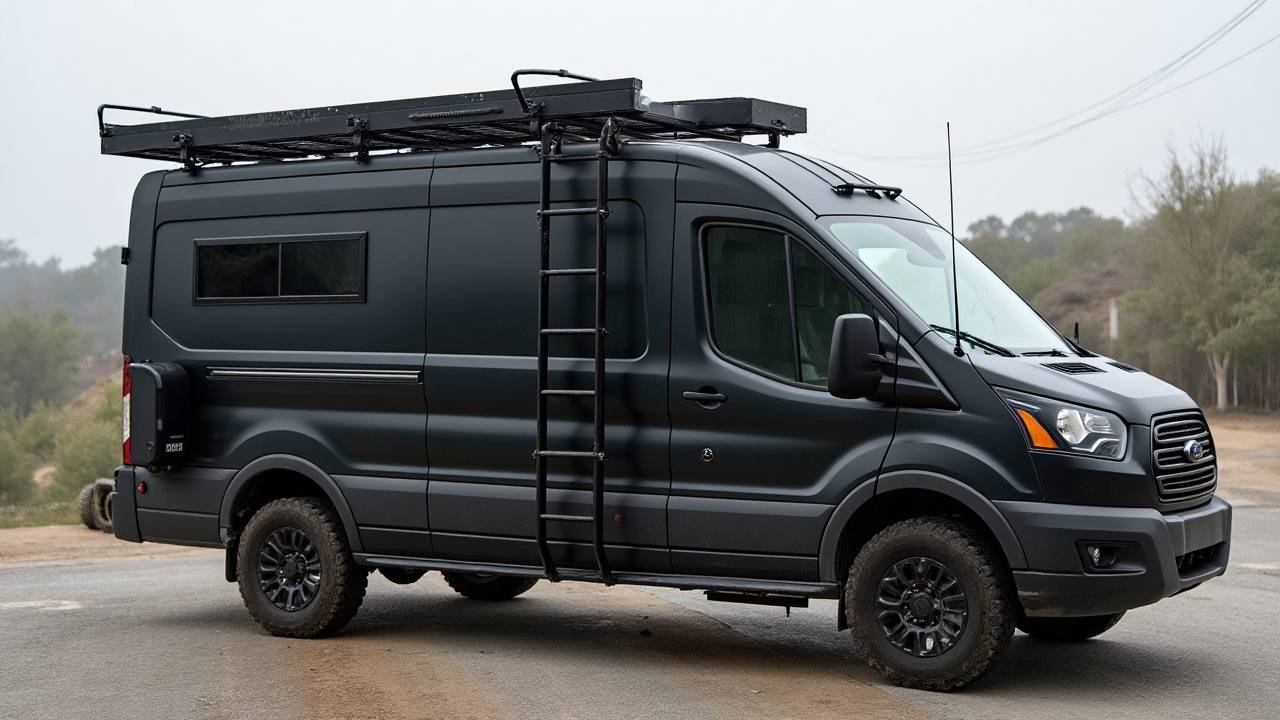


The landscape of housing in the United States has undergone a radical transformation over the last decade, culminating with a patchwork of legislative breakthroughs that have finally brought the tiny home movement out of the shadows and into the legal mainstream.
For years, the primary barrier to “going tiny” was not engineering or financing, but zoning—the invisible web of local ordinances that dictated minimum square footage, foundation requirements, and the definition of a “dwelling unit.”
However, the narrative has shifted from prohibition to regulation. The question is no longer “Are tiny homes legal?” but rather “In which specific jurisdiction, and under what classification, is this specific structure legal?
1. California

California stands as the indisputable leader in the legalization of tiny living, driven by a statewide housing crisis that has forced legislative innovation. The state has moved beyond merely allowing ADUs to mandating their acceptance.
State laws effectively prohibit local jurisdictions from banning ADUs and Junior ADUs (JADUs) on single-family lots, creating a “by-right” pathway for foundation-based tiny homes across the state.
The critical distinction in California is the acceptance of Moveable Tiny Homes (MTH) as habitable ADUs. Cities like Los Angeles, San Diego, and San Jose have pioneered ordinances that allow THOWs to serve as legal backyard dwellings, provided they are licensed as RVs but built to ANSI 119.5 standards and connected to sewer, water, and power.
This “MTH as ADU” model is a specific legal carve-out that bypasses the traditional prohibition against living full-time in an RV on private land.
Furthermore, California Residential Code has fully integrated Appendix Q (often referred to as Appendix BB in state amendments), establishing clear safety standards for lofts and egress in homes under 400 square feet.
This standardization allows builders to construct foundation-based tiny homes with reduced ceiling heights (6 feet 8 inches in habitable areas) that would previously have been red-tagged.
The state’s Department of Housing and Community Development (HCD) actively enforces these state mandates, striking down local ordinances that attempt to impose excessive lot size or setback requirements that would render tiny homes infeasible.
In Alpine County, specifically, tiny homes are permitted provided they meet state building codes, including a minimum ceiling height of 7 feet 6 inches (unless modified by Appendix Q/BB) and minimum room dimensions of 120 square feet for at least one room.
Nevada County has also approved an ordinance allowing tiny homes on wheels as permanent housing, permitted in all zones that allow traditional built housing, which expands opportunities significantly beyond urban centers into rural residential zones.
2. Oregon
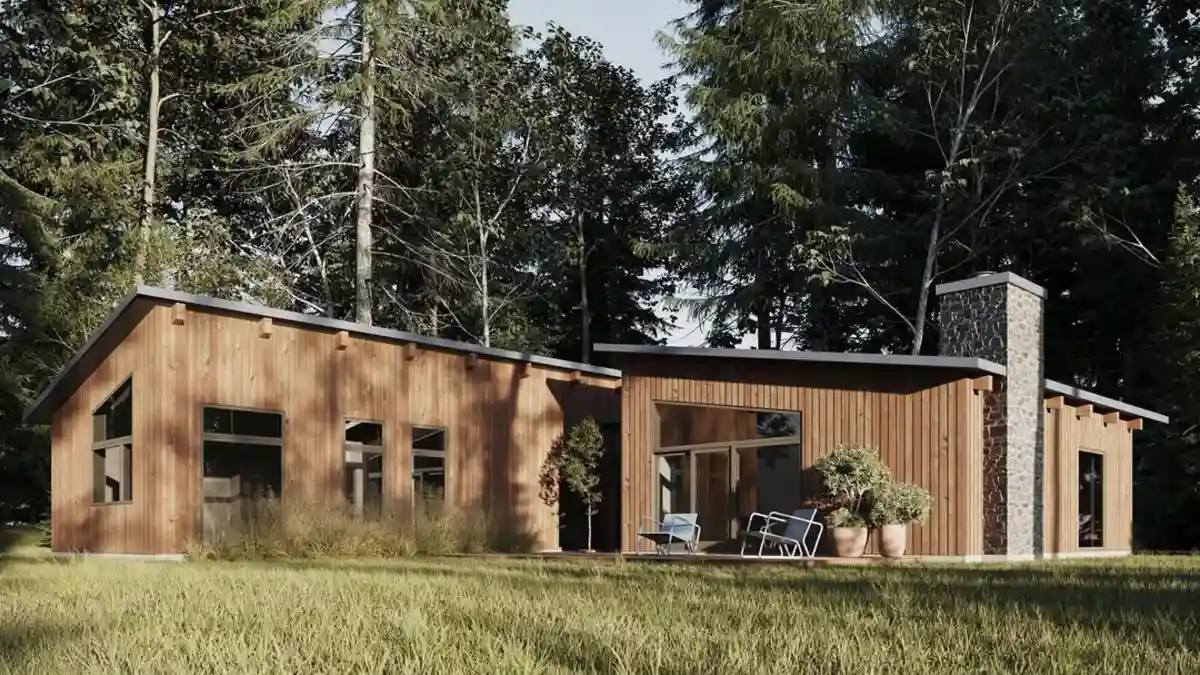
Oregon has long been a pioneer in land-use planning, and its approach to tiny homes reflects a mature regulatory environment. The state’s legislative framework, particularly House Bill 2306 and the “Reach Code,” has created a permissive environment for high-density, small-footprint housing.
The “Reach Code” serves as a statewide optional energy construction standard that creates pathways for smaller, more efficient structures to meet code without the prohibitive costs associated with traditional compliance.
Portland remains the epicenter of the movement. The city’s zoning code (specifically §33.260.205) explicitly allows for one occupied Recreational Vehicle (which includes THOWs) on residential lots with an existing house.
Unlike many jurisdictions where this is a “don’t ask, don’t tell” situation, Portland has codified this right, provided the tiny home is not on a vacant lot and meets placement and utility spacing requirements.
This policy effectively turns thousands of backyards into potential tiny home sites without the need for complex subdivision or ADU permitting processes, as the units remain legally classified as vehicles but are permitted for permanent occupancy.
Beyond Portland, rural Oregon offers significant opportunities through the adoption of the 2018/2021 IRC standards, which include provisions for small homes.
The state has defined “small homes” in statute, differentiating them from larger residential structures to streamline the permitting process for foundation-based units. This statutory definition protects tiny homes from being zoned out by arbitrary minimum square footage requirements often found in older municipal codes.
3. Washington

Washington State has taken a distinct approach by focusing on the “Tiny House Village” model. Senate Bill 5383, which has been in effect and evolving since 2019, created a legal framework for tiny house communities, preventing cities from banning them outright and establishing binding site plan methods for their development.
This legislation was a watershed moment because it recognized tiny homes not just as individual units, but as a collective housing solution.
The legislation defines “tiny house” and “tiny house with wheels” specifically, separating them from the broader RV category in key legal contexts.
This is crucial for zoning because it allows municipalities to zone specifically for tiny home communities rather than forcing them into mobile home park regulations, which are often far more onerous and designed for larger double-wide structures.
The impact of SB 5383 is visible in the proliferation of tiny home villages that serve diverse populations, from affordable housing initiatives to luxury eco-villages.
The state code mandates that these homes meet energy and safety standards, but the specific inclusion of Appendix Q standards provides a roadmap for compliance that builders can reliably follow.
Furthermore, Washington extends rights under the Manufactured/Mobile Home Landlord-Tenant Act to tenants of tiny house communities, providing security of tenure that is often lacking in other states where tiny home dwellers are legally considered “campers”.
4. Colorado

Colorado presents a dichotomy: strict, sophisticated building codes in the Front Range (Denver, Boulder) and significant freedom in rural counties. The state has been a leader in adopting Appendix Q, with many jurisdictions explicitly referencing it to allow foundation-based tiny homes.
The Colorado Department of Housing (DOH) oversees a program that certifies factory-built tiny homes, ensuring they meet safety standards comparable to traditional housing.
This state-level certification is a game-changer. It allows a tiny home built in a factory to be sited in any jurisdiction that accepts the state insignia, bypassing the need for local building inspectors to understand the nuances of tiny construction.
This resolves one of the biggest bottlenecks in the industry: the reluctance of local inspectors to sign off on non-traditional structures.
However, the real opportunity in Colorado lies in the counties that have either opted out of building codes entirely or have specific “tiny-friendly” zoning. Rural areas offer fewer restrictions, but prospective buyers must be vigilant about water rights and septic permits, which are strictly regulated even if the structure itself is not.
The conversation in Colorado has moved toward integrating tiny homes into the affordable housing stock, with cities actively exploring tiny home villages as a solution to homelessness and workforce housing shortages.
5. Arizona

Arizona is widely regarded as one of the friendliest states for tiny living, primarily due to Pima County’s aggressive adoption of Appendix Q and its specific zoning adjustments for tiny homes. Pima County (Tucson area) allows tiny houses on permanent foundations in any zone permitting detached single-family dwellings.
Crucially, they also have provisions for tiny homes on chassis: if the suspension is removed and it is permanently attached, it is treated as a factory-built building permitted in numerous zones. Even homes remaining on a mobile chassis have designated zones (RH, GR-1, SH, etc.) where they are permitted as trailers.
The state’s climate and culture of snowbird living have long normalized smaller, mobile dwellings (Park Models and RVs). This cultural familiarity eases the path for tiny homes. We see this evolving with cities like Phoenix and Flagstaff adopting code amendments to facilitate ADUs and infill development using tiny homes.
Rural Arizona, particularly Apache and Cochise counties, offers vast tracts of land with minimal zoning interference (“Owner-Builder Opt-Out” provisions in some areas), making it a haven for off-grid enthusiasts.
However, the state is strictly enforcing the distinction between a “permanent dwelling” and a “recreational vehicle” in urban zones to prevent shantytowns, pushing legitimate tiny homes toward the Appendix Q foundation model.
6. Idaho

Idaho has become a hotspot for tiny living, driven by a booming population and a libertarian streak regarding property rights.
The state has adopted the International Residential Code (IRC) including Appendix Q, making tiny homes legal on a statewide level regarding construction standards. The 2020 Idaho Residential Code explicitly incorporates these provisions, defining lofts, ladders, and egress requirements for homes under 400 square feet.
In Boise and Ada County, zoning codes have been updated to allow tiny homes as ADUs or primary dwellings in specific districts.
Boise’s code requires tiny houses to be on a permanent foundation and connected to city utilities, treating them effectively as small modular homes. This legitimizes the asset, allowing for traditional financing and appraisal, which is often impossible for THOWs.
For those seeking to live on wheels, the regulatory environment is stricter. Boise generally classifies THOWs as recreational vehicles, which are not permitted for permanent habitation on residential lots outside of designated parks.
However, recent zoning cleanups have opened discussions on allowing THOWs with specific conditions, reflecting the growing pressure on housing stock. Rural counties in Idaho, such as Boise County, allow tiny homes with permits and foundations, offering a blend of regulation and rural freedom.
In Blaine County, the ordinance specifically defines “Tiny Home on Wheels” within its development codes, further illustrating the localization of these regulations.
7. Utah

Utah’s approach to tiny homes is largely channeled through its aggressive statewide ADU legislation. The state has mandated that municipalities allow “Internal Accessory Dwelling Units” (IADUs) and is pushing for broader acceptance of detached ADUs (DADUs), which is where tiny homes fit in.
In Salt Lake City and Draper, ordinances now permit detached ADUs, often limited to 50% of the primary dwelling’s square footage or a specific cap (e.g., 650-1200 sq ft).
While Utah has been slower to adopt specific “tiny house” definitions compared to Oregon or Maine, the ADU pathway is robust.
Washington County has been noted for allowing tiny homes of at least 300 square feet, creating pockets of opportunity in the southern part of the state. The cultural emphasis on multi-generational living in Utah aligns perfectly with the ADU model, leading to high adoption rates of backyard cottages.
Legislative updates (HB 398 and others) continue to refine these rights, preventing municipalities from prohibiting ADUs on lots of a certain size (e.g., greater than 6,000 sq ft) and restricting the ability of cities to require separate utility meters, which significantly lowers the cost of installation.
8. Nevada

Nevada, particularly the Reno-Sparks and Las Vegas metropolitan areas, has seen significant shifts regarding tiny homes.
The driving force has been state legislation (AB 396) requiring large jurisdictions to authorize ADUs, or else face a state override that would allow them “without restriction”. This “stick” approach forced cities like Reno to adopt ordinances in late 2024 and legalizing ADUs in single-family zones.
Reno’s ordinance is particularly favorable, allowing ADUs on lots of at least 5,000 square feet and removing previous barriers that made them difficult to permit. This effectively opens the door for foundation-based tiny homes to serve as rental units or guest houses throughout the city.
In rural Nevada (Elko, Lincoln, and Storey Counties), regulations are a mix of adopted IRC standards and local zoning.
Elko County, for instance, has published specific tiny home requirements mandating permanent foundations and minimum room sizes (120 sq ft for the main room), treating them as single-family residences. This clarity helps potential builders avoid the ambiguity that plagues other rural regions.
9. New Mexico

New Mexico is a premier destination for the “off-grid” tiny house movement due to its abundant solar potential and relaxed rural zoning. The state continues to be a mix of strict enforcement in cities like Santa Fe and Albuquerque, and substantial freedom in unincorporated areas.
However, even urban areas are adapting. Bernalillo County (Albuquerque) has been a leader in developing “Tiny Home Villages” specifically designed for transitional housing, showcasing the viability of the structure type for the county at large.
The state has adopted Appendix Q, providing a clear building code for those who wish to build legally on a foundation. In counties like Luna and Torrance, tiny homes are explicitly legal and allowed, provided they meet the basic IRC requirements (400 sq ft max, 6’8″ ceilings).
The cultural acceptance of alternative building methods in New Mexico (earthships, adobe) translates well to tiny homes. The state is less prone to the “cookie-cutter” subdivision requirements that block tiny homes in other regions. For THOWs, rural areas offer the best bet, as urban zoning often restricts wheels-based living to RV parks, though enforcement varies.
10. Montana

Montana attracts tiny home enthusiasts with its vast landscapes and reputation for limited government interference. While the state has not passed a sweeping “Tiny Home Bill” like Maine or Washington, the regulatory environment is favorable due to the lack of zoning in many areas. Counties like Beaverhead, Petroleum, and Garfield often have minimal zoning oversight outside of city limits, making them prime locations for self-sufficient tiny living.
In urban centers like Missoula, the approach is more structured but increasingly permissive. Missoula’s Title 20 zoning code was updated to remove minimum square footage requirements (previously 350 sq ft) to explicitly encourage tiny homes.
The city also permits Detached Accessory Dwelling Units (DADUs) up to 25 feet in height, allowing for lofted tiny homes in backyards.
However, the distinction between a “dwelling” and a “trailer” remains important. In zoned areas, a tiny home must generally be on a foundation to be considered a permanent residence. THOWs are often relegated to RV parks or temporary status unless the local jurisdiction (like Missoula) has specific “Tiny Home Development” applications that allow for innovation.
11. South Dakota

South Dakota is emerging as a surprising leader in the tiny home space, driven by specific municipalities that have embraced the concept as an economic driver. Spearfish and Beresford are the standout examples. Spearfish explicitly permits permanent tiny houses on foundations in all residential zoning districts, treating them as standard homes provided they meet building codes.
Beresford has gone even further, creating a specific zoning ordinance for Tiny Homes on Wheels. The ordinance mandates that THOWs must be secured to the ground (tied down) and skirted, but they are allowed to remain on wheels—a rare and highly sought-after legal status.
This allows residents to maintain the mobility of their asset while living legally in a residential neighborhood.
On a statewide level, South Dakota updates its building codes regularly, which includes the tiny house appendix provisions.
The state’s low tax burden and affordable land make it an attractive destination for tiny home communities, several of which are in development in the Black Hills region.
12. Maine

Maine is arguably the most progressive state on the East Coast for tiny living. The passage of LD 1530 (“An Act To Allow People To Live in Tiny Homes as a Primary or Accessory Dwelling”) was a landmark event. This law is fully effective, mandating that municipalities must permit tiny homes to be placed on individual house lots where single-family dwellings are allowed.
Crucially, Maine law gives “Tiny Homes” the same status as single-family dwellings. This preempts local zoning that might try to use minimum square footage to zone them out.
The law applies to both foundation homes and, in certain contexts, structures that fall under the definition of “tiny home” in Title 29-A (which can include homes on a chassis if they meet specific standards).
This state-level protection is rare. It shifts the burden of proof from the homeowner to the municipality; if a town wants to deny a tiny home, it must have a compelling health or safety reason, not just an aesthetic one. This has opened up the entire state, from the rural north to the coastal towns, for tiny home development.
13. New Hampshire
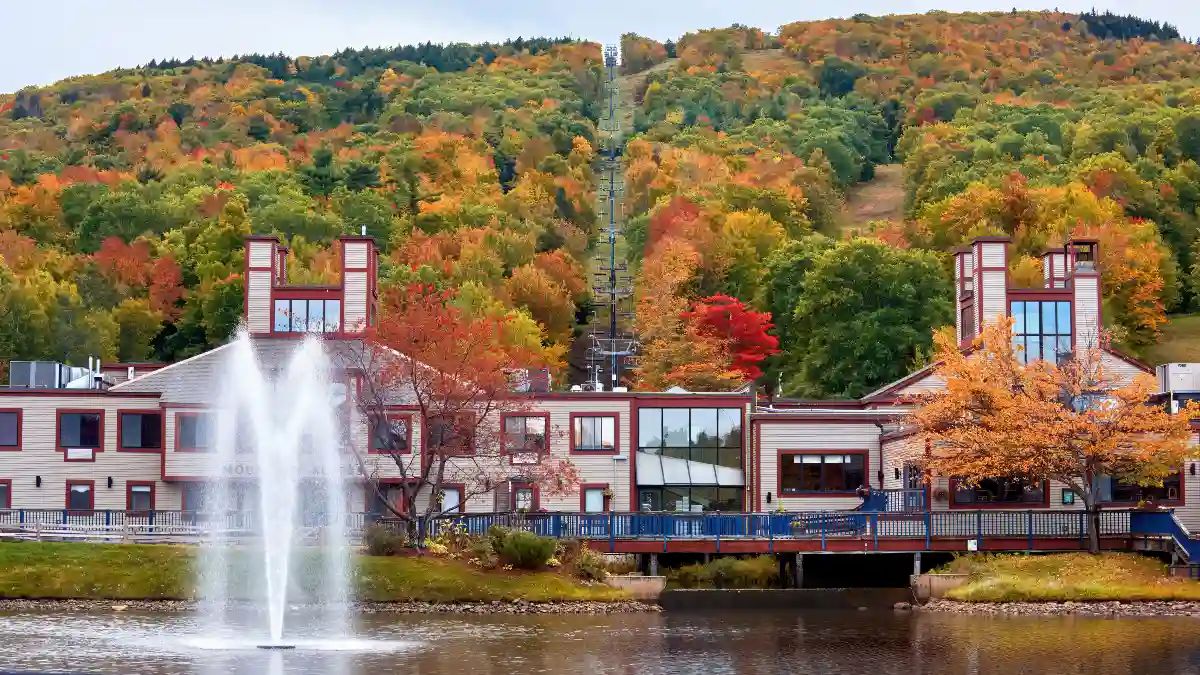
Following its neighbor’s lead, New Hampshire has enacted significant ADU reform. House Bill 577, effective July, expanded ADU rights significantly. It mandated that municipalities allow one ADU (attached or detached) by right in all zoning districts that permit single-family dwellings.
This “by-right” provision is critical—it removes the need for a conditional use permit or a public hearing, which are often where tiny home projects die due to neighbor opposition.
The law prevents municipalities from requiring a separate septic system for the ADU (unless technically necessary), removing a huge cost barrier.
It also prohibits towns from imposing stricter dimensional requirements on ADUs than on the primary home. This effectively legalizes foundation-based tiny homes in the backyards of nearly every suburban home in the state.
New Hampshire also passed SB 482, which clarifies the definition of tiny houses and their connection to utilities, further solidifying their legal status as permissible dwellings.
Local implementation varies, with towns like Nashua allowing 750 square foot detached ADUs by right, whereas Concord has traditionally required attachment, though the new state law now overrides that restriction.
14. Massachusetts

Massachusetts, historically known for strict “Home Rule” zoning that excluded affordable housing, has undergone a seismic shift with the “Affordable Homes Act” passed in 2024 and effective. This legislation legalized ADUs by right statewide in single-family zones.
As of February 2, property owners in Massachusetts can build an ADU up to 900 square feet (or 50% of the main house) without a special permit. This explicitly includes detached structures like backyard cottages—i.e., tiny homes.
The state prohibits towns from requiring owner-occupancy (though this is a point of contention in some local implementations) or imposing excessive parking requirements.
This is a massive opportunity for the tiny home industry in New England. While the law focuses on foundation-based ADUs (not THOWs on the street), it opens up the lucrative Boston metro market to high-end modular tiny homes used as rental units or in-law suites.
15. Vermont
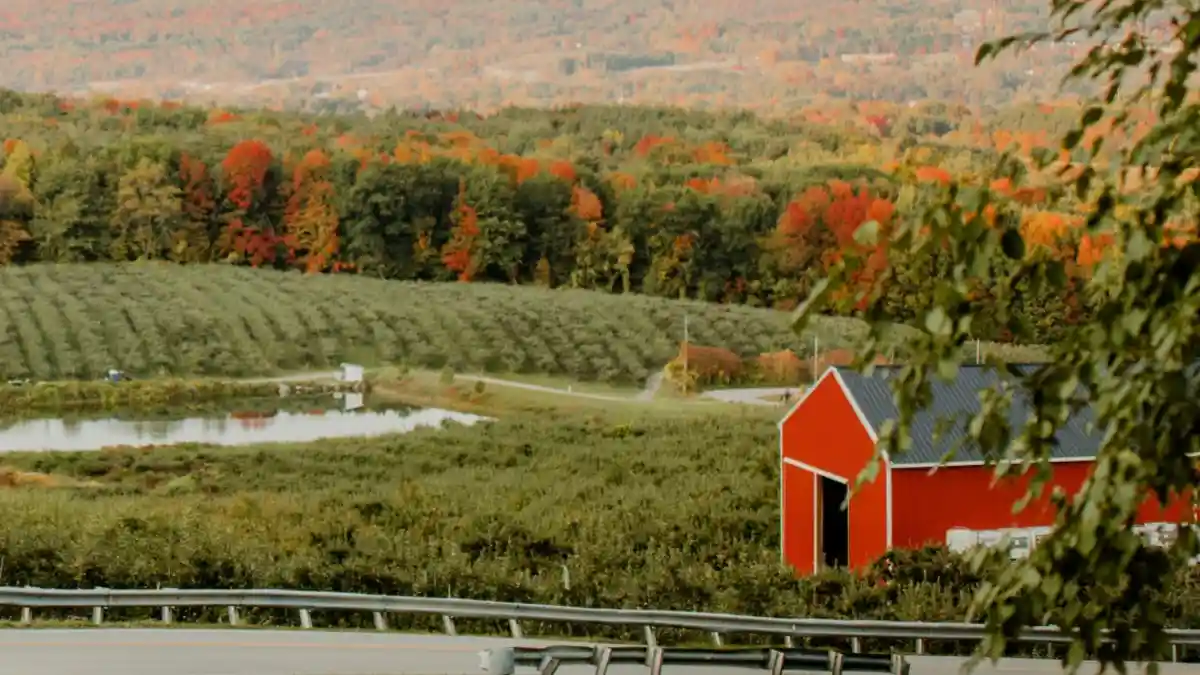
Vermont has tackled the housing crisis with the “HOME Act” (Act 47/69/181 iterations), which creates exemptions from the state’s rigorous “Act 250” land-use review for affordable housing and priority housing projects. These exemptions make it significantly easier to develop small clusters of homes or add density to existing lots without triggering expensive environmental reviews.
The state building code is flexible, and while Appendix Q has not been adopted uniformly as a mandate, the general regulatory environment encourages “Missing Middle” housing, which includes tiny homes.
The Vermont Housing Finance Agency and other bodies are actively funding programs to improve manufactured home parks and incentivize “infill” on vacant lots, providing a funded pathway for tiny homes to replace dilapidated mobile homes.
Specific counties like Windham have restrictions (650 sq ft minimums in some areas), but the trend is toward loosening these rules to accommodate the workforce. Chittenden County permits park models in certain contexts, and towns like Fairfax allow THOWs if placed on a permanent foundation and rendered immovable.
16. Rhode Island

Rhode Island, the smallest state, has passed some of the biggest housing laws. The state legislature passed a package of bills that establish a statewide right to build ADUs. This legislation overrides local zoning bans, allowing homeowners to build a single ADU within the existing footprint or on any lot larger than 20,000 square feet.
The law specifically mentions that ADUs are a solution for seniors and the disabled, framing tiny homes as a social necessity. While the law focuses on ADUs, there has been specific legislation introduced (and debated) to count tiny homes toward affordable housing mandates, pushing towns to accept them to meet state quotas.
Cities like Providence and East Providence restrict tiny homes to ADU status and typically enforce a larger minimum size (often 1,000 sq ft for primary dwellings), making the ADU route the only viable one for true tiny living.
17. Connecticut
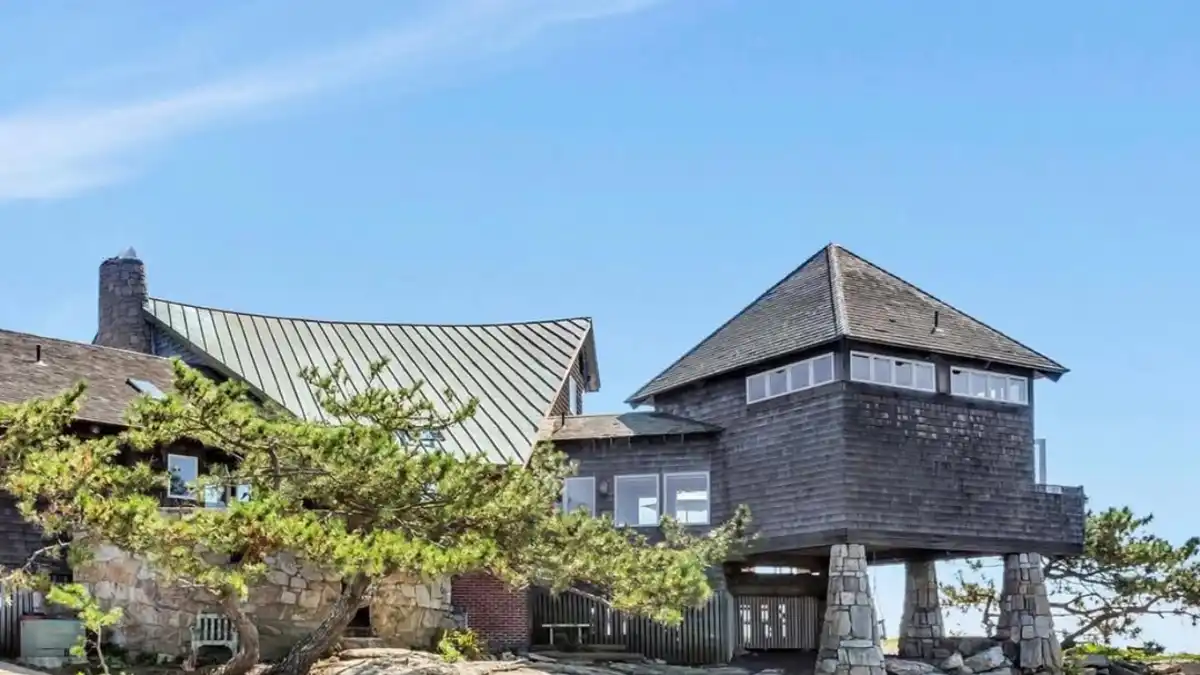
Connecticut is a complex case due to the “Opt-Out” provision. The state passed Public Act 21-29 to legalize ADUs statewide, but it allowed towns to “opt out” of the requirement by January 1, 2023. A significant number of towns (approx 115) did opt out to retain local control.
However, “opting out” does not mean “banning.” Many towns that opted out did so to write their own ADU regulations, which often still permit tiny homes but with specific local flavor (e.g., architectural consistency requirements).
The state continues to push for “As of Right” permitting, and new bills (like SB 1364) are proposing funds for tiny home construction specifically for temporary housing and homelessness relief.
Homeowners in Connecticut must check their specific town’s status. If the town did not opt out, state baseline rules apply (attached or detached ADUs allowed, max 1,000 sq ft). If they did opt out, a local ordinance applies, which may still be favorable.
Counties like Middlesex and cities like New Britain generally follow the IRC (max 400 sq ft, 6’8″ ceilings) for ADU construction, requiring standard building permits and inspections.
18. New York

New York State has taken a programmatic approach. The “Plus One ADU Program” provides state grants to homeowners to build or upgrade ADUs, putting real money behind the zoning changes. New York City (NYC) is piloting the “City of Yes” initiative, which includes rules to legalize basement apartments and backyard cottages (tiny homes) in the five boroughs.
This is revolutionary for NYC, where density is high but legal pathways for small auxiliary units were previously nonexistent. The rules require strict safety compliance (sprinklers, egress), but they open the door to tiny living in the country’s largest city.
Upstate, towns are widely adopting ADU ordinances to combat the housing shortage, and tiny homes are increasingly seen as the solution for rural affordable housing. Cattaraugus and Chautauqua counties generally permit tiny homes as ADUs between 200 and 1,500 square feet, though THOWs face steeper restrictions.
19. Pennsylvania

Pennsylvania offers a mix of urban ADU programs and rural freedom. Philadelphia has established ADU ordinances for historic districts and specific zones.
However, the real tiny home action is in the rural townships. Areas like Hellam Township have specific zoning that allows mobile homes (and by extension, tiny homes) on single-family lots if they meet certain criteria, rather than restricting them to parks.
There is no statewide tiny house law, so regulations are hyper-local. We see more municipalities in PA adopting the 2018/2021 IRC Appendix Q voluntarily to handle the influx of requests. The state’s “Manufactured Housing” sector is strong, and tiny homes that can be classified as HUD-code manufactured homes find an easy legal path here.
20. Texas
Texas is the heartland of the tiny house movement’s libertarian wing. The town of Spur, Texas, declared itself the “First Tiny House Friendly Town” years ago and remains a beacon. Spur allows THOWs to be placed on foundations, removing the axles, and living full-time with minimal red tape.
Beyond Spur, Texas generally lacks county-level zoning (counties in TX have limited ordinance-making power compared to cities), which means unincorporated land is often wide open for tiny living.
However, deed restrictions and HOAs are the hidden enemy here. In cities like Austin and San Antonio, progressive ADU laws (“HOME” initiative in Austin) allow for multiple units on a lot, encouraging tiny homes as rental properties.
Austin’s adoption of the 2021/2024 IRC (effective July) includes Appendix Q, formalizing the safety standards for these units.
21. Florida

Florida presents a challenge due to hurricanes. High-velocity wind zones require robust construction that many DIY tiny homes cannot meet. However, the state has adopted Appendix Q into the Florida Building Code, providing a pathway for code-compliant tiny homes.
The key in Florida is finding the right county. Orange County and Dixie County are noted for specific ordinances or permissive attitudes toward small dwellings. Several famous tiny home communities (like Orlando Lakefront) operate legally, often structured as RV parks where long-term residency is permitted.
The code updates continue to integrate tiny homes into the standard regulatory framework, defining them clearly as permanent dwellings if they are on a foundation.
22. North Carolina
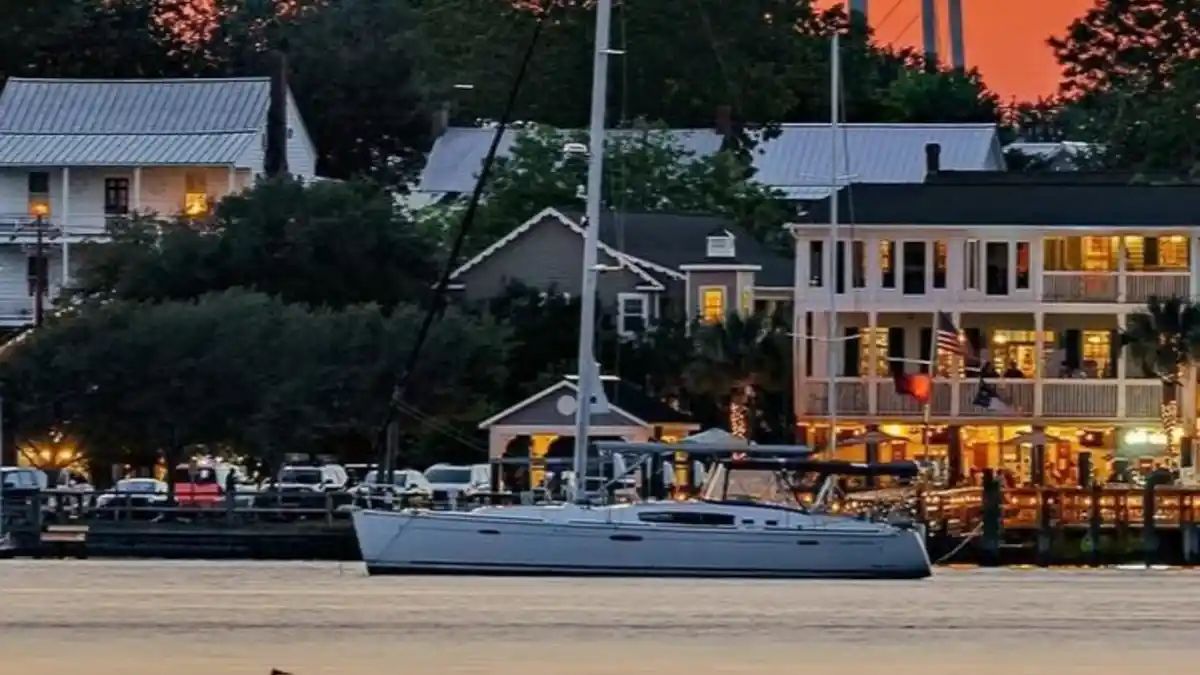
North Carolina, particularly the Asheville area, is a tiny home mecca. While Asheville city zoning can be strict regarding THOWs (often treating them as RVs), the surrounding Buncombe County and nearby Henderson County offer more flexibility.
Communities like Acony Bell in Mills River serve as models for legal tiny living, utilizing RV park zoning to create a permanent residential feel.
Raleigh and other cities have liberalized ADU rules, allowing backyard cottages. The state building code generally accepts tiny homes that meet the IRC standards (min 70 sq ft rooms), and the state is increasingly viewing them as a solution to the affordable housing crisis in booming tech hubs.
Counties like Burke and Davie specifically permit tiny homes provided they meet the state residential code, which mandates at least one room of 70 square feet.
23. Georgia

Georgia’s landscape varies wildly. Atlanta has experimented with ADU legalization to increase density. However, the most interesting developments are in smaller towns and counties. Some, like Chatham County (Savannah), have faced pressure to regulate THOWs.
The state allows municipalities to adopt Appendix Q, and several have. Tiny home communities are emerging in places like Putnam County or the Blue Ridge mountains, capitalizing on the vacation rental market.
The Department of Community Affairs (DCA) has issued fact sheets clarifying that tiny homes are dwelling units subject to code, pushing the industry toward professional, modular construction rather than DIY.
In Bacon County, specifically, tiny homes are allowed under Appendix Q, with building permits only required within Alma city limits, leaving the rest of the county largely unrestricted regarding permitting, though state codes still apply.
24. Tennessee

Tennessee is home to some of the most famous tiny house builders and communities. Dandridge and Knoxville areas have seen significant activity. The state allows counties to “opt out” of building codes for residential structures, creating pockets of total regulatory freedom (though this affects financing and insurance).
However, many “opt-out” counties are reconsidering as population booms. Cities like Nashville and Memphis have ADU ordinances. The state’s favorable tax climate and low cost of living continue to attract tiny home dwellers, who often find land in counties with no zoning (unincorporated areas) to set up legally without needing permits.
Jefferson County serves as a specific example where ADUs are permitted in certain districts, though size is capped at 200 square feet, and stringent building guidelines are applied. Conversely, Carter County allows tiny homes between 200 and 400 square feet if permanently anchored, following IRC/NEC standards.
25. Arkansas
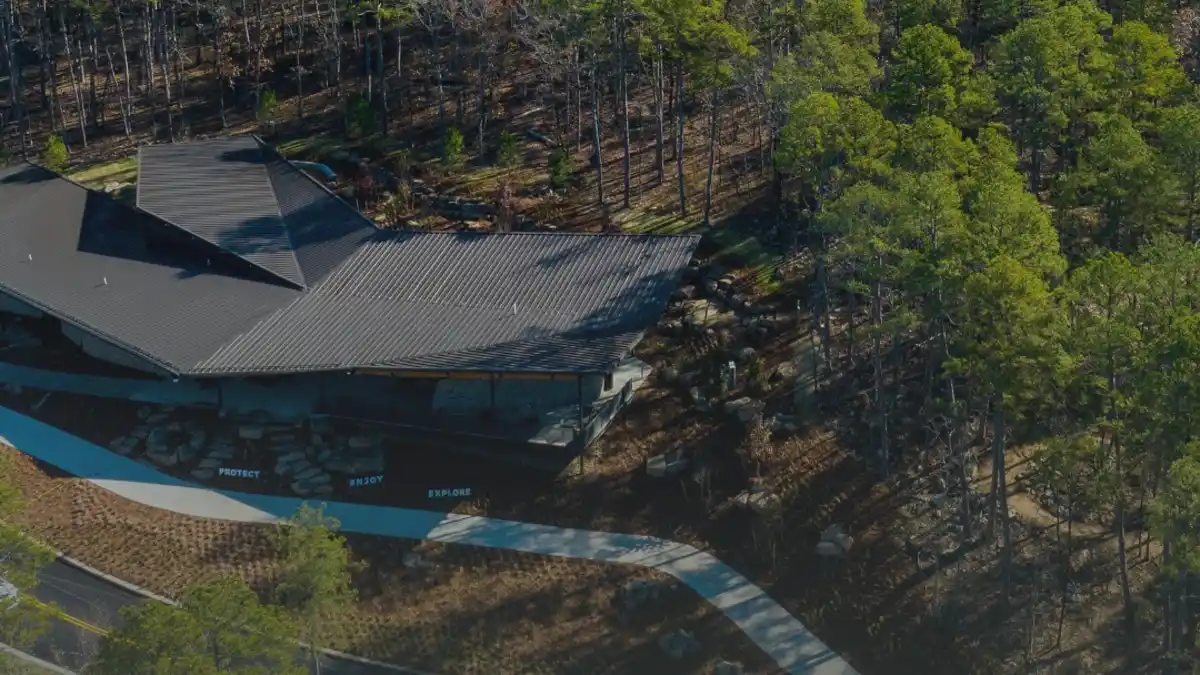
Arkansas has recently made headlines with Act 313, which has been described as one of the strongest ADU laws in the country. This act essentially creates a “by-right” permission for ADUs on residential lots statewide, prohibiting municipalities from imposing owner-occupancy requirements or excessive fees.
This state-level preemption is a massive win for tiny homes. It means any homeowner in Little Rock, Fayetteville, or rural Arkansas can legally place a foundation-based tiny home in their backyard.
The state also has many rural counties with minimal building code enforcement, offering options for those who want less oversight. Cross County, for example, has varying regulations based on zoning, but generally permits foundations.
26. South Carolina
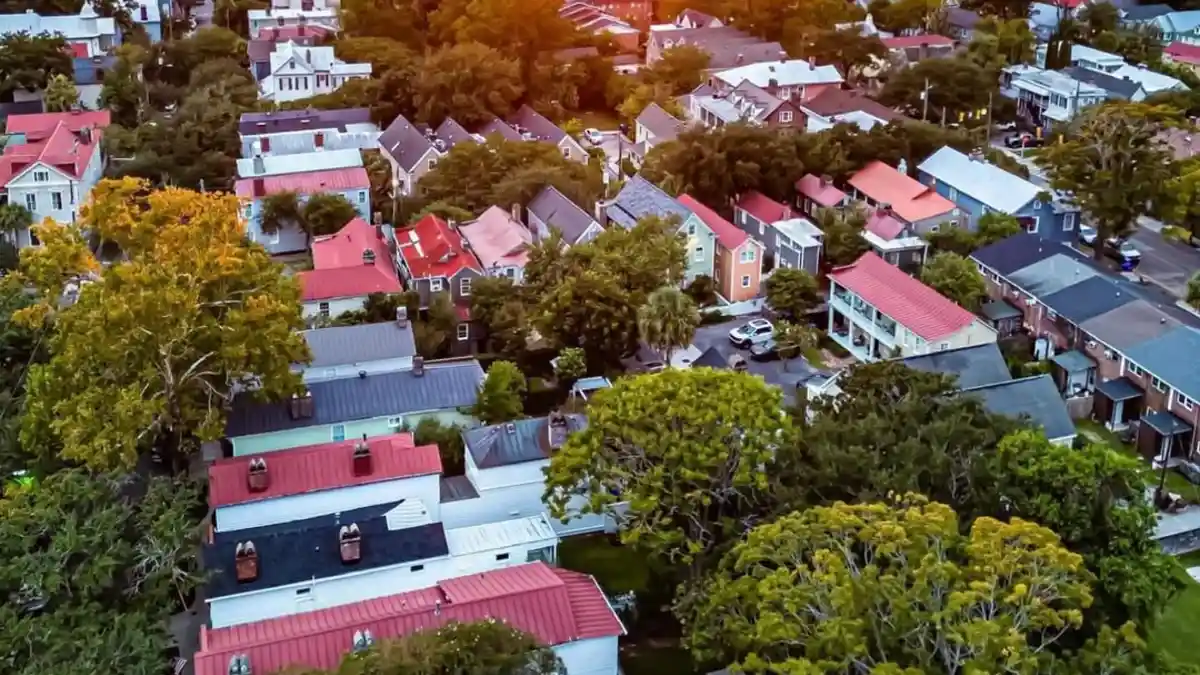
South Carolina has adopted Appendix Q, creating a clear legal standard for tiny homes under 400 square feet. Counties like Greenville and Charleston enforce these standards for ADUs.
The state distinguishes strictly between “Tiny Homes” (foundation, building code) and “RVs” (wheels, DMV). However, in rural areas, the line blurs, and enforcement is lax. Areas like Dorchester County have specific definitions for tiny homes as single-family detached residences, permitting them in any zone that allows standard homes.
York County prohibits THOWs and RVs as ADUs but permits habitable floor areas of at least 400 square feet for permanent ADUs. Beaufort County mandates permanent foundations and adherence to IRC standards for tiny homes under 400 square feet.
27. Alabama

Alabama is another “freedom through deregulation” state. Jefferson County (Birmingham area) explicitly permits ADUs up to 200 square feet in certain districts and has draft zoning proposing a minimum structure size of 400 square feet to permit tiny homes, rather than ban them.
Many rural counties in Alabama have no zoning and no building codes. While this makes building easy (“Rule of the Land”), it poses challenges for utility connection and insurance. However, for the self-sufficient tiny homer, Alabama remains one of the most accessible states. Specific counties like Autauga, Coosa, Covington, and Crenshaw are noted as being particularly friendly to development due to limited restrictions.
28. Mississippi

Mississippi follows the deep south pattern: strict rules in cities (Jackson, Biloxi) and almost no rules in the county. Warren County and Adams County have historically opted out of statewide building codes, allowing for significant freedom in construction.
Legislative updates (HB 999) have updated definitions for modular homes, which may encompass factory-built tiny homes, ensuring they meet safety standards without being zoned out. The low cost of land makes Mississippi attractive for those on a tight budget.
29. Kentucky

Kentucky offers opportunities through Louisville’s progressive ADU ordinances. The city allows ADUs (detached) up to 800 sq ft or 30% of the primary home. This is a clear legal path for urban tiny living.
Rural Kentucky, much like Tennessee, has counties with limited zoning enforcement. The state has adopted Appendix Q standards for foundation homes. Counties like Bourbon, Campbell, Clay, and Cumberland all follow the IRC Appendix Q framework, generally requiring 400 square feet maximums and permanent foundations.
30. West Virginia
West Virginia is actively courting the tiny home demographic as part of its economic revitalization (e.g., the Ascend WV program). The state has passed legislation to create tiny home pilot programs for transitional housing in major cities like Charleston and Morgantown.
There is no statewide zoning, and many rural counties have no building departments, making it a “builder beware” but highly permissive environment. Hardy County stands out with a specific zoning ordinance that regulates land use, but generally allows for residential structures if basic dimensions are met.
31. Kansas

Kansas wraps up our list with a mix of rural openness and specific city ordinances. Topeka and Shawnee County have regulations that permit tiny homes if they are connected to utilities and meet minimum ceiling heights (7 feet generally, with exceptions).
The state does not have a statewide building code for private properties, leaving it to counties. This “Home Rule” structure means that in many rural Kansas counties, you can build whatever you want, provided you can handle your own waste and water.
In Cowley County, specifically, tiny homes must be at least 170 square feet for one occupant and are allowed if on a city-approved foundation.