
Have you ever stared into a mirror, wondering who you are? Ever felt like you’re stuck in a loop of overthinking, second-guessing, or chasing a version of yourself that feels perpetually out of reach? You’re not alone.
Self-discovery isn’t a one-size-fits-all journey, but these 15 books can be your compass. They’re not just “popular” reads—they’re life-altering tools that break down complex psychology, habits, and existential questions into relatable, actionable insights. Let’s dive in.
1. “The Path: What Chinese Philosophers Can Teach Us About the Good Life” by Michael Puett and Christine Gross-Loh

Forget self-help clichés. This book rewrites the rulebook by weaving ancient Chinese philosophy—Confucianism, Daoism, Legalism—into a modern framework. The authors argue that who you are isn’t fixed by your past or traits but is shaped by your daily choices and relationships. By embracing rituals (even mundane ones like morning routines) and challenging your assumptions, you can reinvent your identity intentionally.
Why it’s a game-changer: A reader once said, “It taught me that my ‘personality’ isn’t destiny. I can tweak how I interact with the world, and that changes everything.” No more resting on the “I’m just shy” or “I’m too lazy” excuses.
2. “Nonviolent Communication: A Language of Life” by Marshall Rosenberg

Most of us never learn how to truly listen to ourselves or others. Rosenberg’s system offers a radical toolkit: instead of reacting to emotions with blame or guilt, you translate feelings into universal needs (e.g., “I feel angry because I need respect”). This practice forces you to untangle “I” from “others” and own your emotional responses.
Why it sticks: A therapist told me, “Clients start with this book to fix relationships but end up using it to finally hear their own inner voice.” It’s less about communication hacks and more about self-empathy.
3. “The Alchemist” by Paulo Coelho

A deceptively simple novella about a shepherd chasing his “Personal Legend.” But beneath the allegory lies a brutal truth: your greatest obstacle isn’t external—it’s the fear of failure or success that paralyzes you. Santiago’s journey teaches that the universe conspires to help those who listen to their hearts, but only if they silence the “Council of Fears” in their mind.
Why it lingers: A college dropout messaged me, “This book made me realize I wasn’t lazy—I was terrified of succeeding. Now I run my own business.” It’s a poetic kick in the pants disguised as a fairy tale.
4. “Man’s Search for Meaning” by Viktor E. Frankl

Frankl’s harrowing Auschwitz memoir isn’t just a Holocaust survival story—it’s a neurological blueprint for resilience. He argues that suffering is inevitable, but meaning is a choice. By clinging to purpose—even in the bleakest situations—you preserve your humanity and agency. The twist? Meaning isn’t “out there”; you create it through action and attitude.
Why it’s timeless: A nurse who survived cancer told me, “This book helped me stop asking ‘Why me?’ and start asking, ‘What can I do now?’” It’s not about fixing pain but reframing it.
5. “Big Magic: Creative Living Beyond Fear” by Elizabeth Gilbert

Creativity isn’t just for artists—it’s a universal human drive. Gilbert dismantles the myth that inspiration is a rare gift, arguing instead that curiosity and experimentation are your birthright. The book’s genius lies in framing fear not as an enemy but as a screaming toddler to be soothed, not silenced. By separating “doing” from “judging,” you unlock a conversation with your authentic self.
Why it resonates: A stay-at-home parent wrote, “I started painting again after 15 years because this book made me realize: I don’t need to be ‘good’ to enjoy creating.” It’s permission to play, not perform.
6. “Quiet: The Power of Introverts in a World That Can’t Stop Talking” by Susan Cain

Cain’s manifesto isn’t just for wallflowers—it’s for anyone who’s ever felt drained by small talk or misunderstood for valuing solitude. She argues that introversion isn’t a flaw but a superpower, one that’s undervalued in a world obsessed with extroverted ideals. Through research and stories, she reveals how introverts thrive by leveraging deep thinking, empathy, and focused creativity—qualities that fuel innovation and insight.
Why it’s essential: A reader shared, “This book made me stop apologizing for needing alone time. Now I see my ‘quiet’ as a gift, not a deficit.” It’s a rallying cry for balancing self-expression with self-preservation.
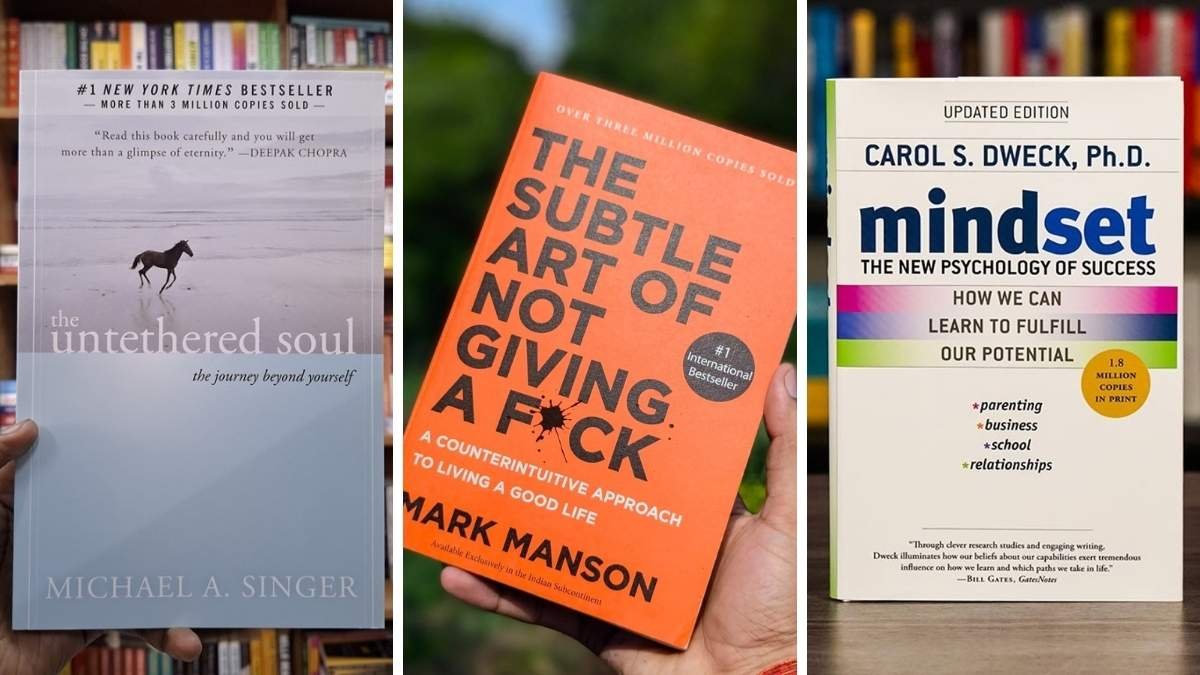
7. “Mindset: The New Psychology of Success” by Carol S. Dweck

Dweck’s research reveals a seismic truth: your outlook on failure determines your potential. People with a “fixed mindset” view talent as static, while those with a “growth mindset” see challenges as opportunities to learn. By reframing setbacks as data, not judgment, you unlock resilience and adaptability.
Why it transforms: A teacher told me, “After reading this, I stopped calling students ‘smart’ and started praising effort. Now my whole classroom culture is built on progress, not perfection.” A shift in language changes everything.
8. “The Untethered Soul: The Journey Beyond Yourself” by Michael A. Singer

This spiritual guide explores a radical idea: your thoughts and emotions aren’t “you”—they’re weather patterns passing through your consciousness. Singer teaches you to observe your inner chaos without attachment, creating space to choose responses instead of reacting instinctively. It’s mindfulness meets existential freedom.
Why it sticks: A meditator confided, “I used to fight my anxiety. Now I watch it like a movie and ask, ‘Is this true?’ It’s made me less of a slave to my mind.” A practice that turns self-doubt into self-liberation.
9. “Option B: Facing Adversity, Building Resilience, and Finding Joy” by Sheryl Sandberg and Adam Grant

After losing her husband suddenly, Sandberg teamed up with psychologist Adam Grant to demystify grief and resilience. The book debunks myths like “just stay positive” and instead emphasizes radical acceptance, acknowledging pain while building small, actionable steps forward.
Why it heals: A widow wrote, “This book gave me permission to cry and laugh. It showed me that joy isn’t selfish—it’s necessary.” A compassionate blueprint for rebuilding after life’s curveballs.
10. “The Tao of Pooh” by Benjamin Hoff

This playful yet profound book uses A.A. Milne’s beloved characters to explain Taoist principles through whimsy. Winnie the Pooh embodies the Taoist ideal of simplicity and contentment, while Owl’s overthinking and Eeyore’s pessimism highlight common traps of the ego. The genius? Hoff translates ancient philosophy into digestible, humorous anecdotes that reveal how embracing “the way” (or flow) can reduce stress and clarify desires.
Why it works: A reader who rediscovered this book as an adult told me, “Pooh’s ‘do nothing’ days taught me that scrolling isn’t relaxation. Now I sit with my thoughts instead of numbing them—it’s how I finally heard what I needed.” Sometimes the deepest wisdom wears a honey pot.
11. “Daring Greatly: How the Courage to Be Vulnerable Transforms the Way We Live, Love, Parent, and Lead” by Brené Brown

Brené Brown’s deep dive into vulnerability shows that true strength lies in showing up imperfectly. Through research and stories, she reveals that vulnerability isn’t weakness—it’s the birthplace of innovation, connection, and joy. By embracing uncertainty, you stop hiding behind masks and start living authentically.
Why it matters: A manager told me, “This book taught me to lead with my flaws, not despite them. My team now feels safer taking risks.” It’s about trading “perfect” for “real.”
12. “The Power of Now: A Guide to Spiritual Enlightenment” by Eckhart Tolle

Tolle’s spiritual classic argues that suffering stems from living in the past or the future, rather than the present. By practicing mindfulness—not as a hobby but as a lifestyle—you break free from the “pain-body” of regrets and anxieties. The twist? You aren’t your thoughts; you’re the awareness behind them.
Why it endures: A chronic worrier shared, “I started anchoring myself to the present by noticing my breath or the sounds around me. The anxiety didn’t vanish, but it lost its grip.” A practice that turns time into freedom.
13. “The Anatomy of the Spirit: The Seven Stages of Power and Healing” by Caroline Myss

This groundbreaking book merges spirituality and psychology to argue that your emotional and spiritual well-being directly influences your physical health. Myss maps seven “energy centers” tied to core human experiences—power, intimacy, creativity—and shows how neglecting them manifests as stagnation or illness. By aligning your actions with these energies, you reclaim agency over your life.
Why it’s transformative: A reader who battled chronic pain told me, “This book made me realize my resentment was literally weighing me down. Now I journal daily to ‘cleanse’ stuck emotions.” It’s less about New Age fluff and more about science-backed self-awareness.
14. “The Subtle Art of Not Giving a F*ck: A Counterintuitive Approach to Living a Good Life” by Mark Manson
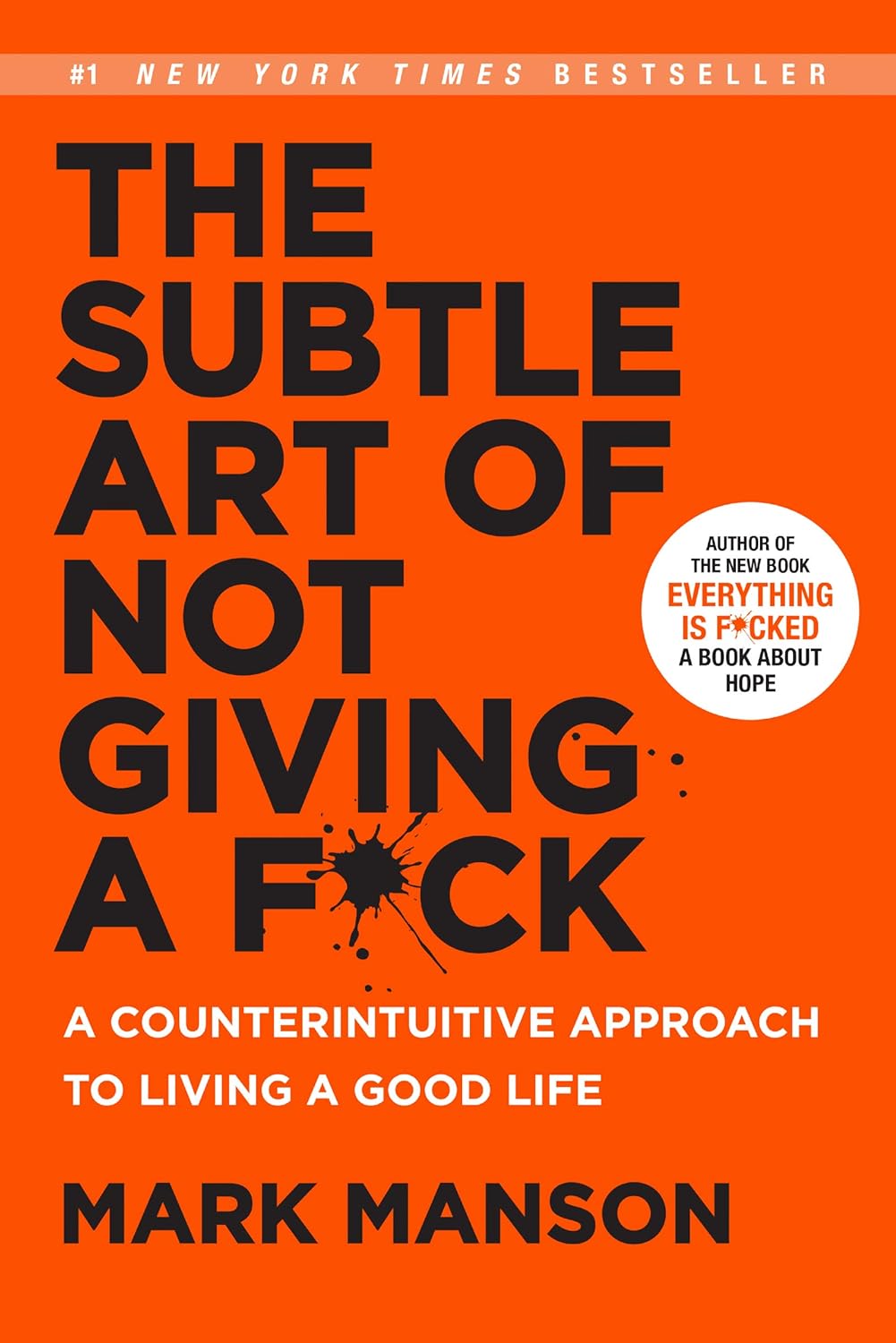
Dolan’s irreverent take on happiness challenges the myth that more control equals more joy. Instead, he argues that accepting uncertainty and letting go of trivial worries frees up mental bandwidth. The key isn’t to care less about everything but to strategically allocate your fucks.
Why it sticks: A recovering perfectionist said, “This book taught me to say ‘fuck it’ to things that don’t serve me. Now I have energy for what truly matters.” A way to prioritize ruthlessly.
15. “The Miracle of Mindfulness: An Introduction to the Practice of Meditation” by Thich Nhat Hanh

This Zen master’s gentle guide teaches that mindfulness isn’t about escaping life but about being fully present for it. Through simple practices—washing dishes mindfully, walking slowly—he shows that joy hides in the ordinary moments we rush through.
Why it transforms: A nurse shared, “I started washing my hands at work as a meditation. Now I feel less like a robot and more like someone who’s ‘here.’” Presence becomes a radical act of self-care.