
The promise of the open road is colliding with a harsh manufacturing reality. Following the post-pandemic production rush, industry data reveals a spike in “lemon” rates as major conglomerates prioritize shareholder returns over engineering integrity.
Buyers face unprecedented risks, from catastrophic structural “frame flex” failures to draconian new warranty clauses that slash legal recourse windows to as little as 30 days.
This guide cuts through the glossy marketing to expose the fifteen brands most plagued by severe defects and denied claims, ensuring your life savings don’t become a stranded asset.
The Reality of RV Reliability
Don’t Buy a Lemon: What the Warranty Stats Really Mean
Before signing ANY paperwork, check these 4 specific areas:
1. The Sealant Check
Inspect roof seams and window caulk. Cracks or voids here cause 90% of water damage issues. Look for “delamination” (bubbles) on sidewalls.
2. Tire Date Codes
Ignore the tread. Check the 4-digit DOT date code. Tires older than 5-6 years are ticking time bombs, even if they look new.
3. The “Slide” Stress Test
Run slide-outs in and out 3 times completely. Listen for grinding, uneven movement, or hesitation—a common factory defect.
4. The “Soft Spot” Walk
Walk every inch of the floor, especially near corners and the bathroom. Any “spongy” feel indicates hidden rot or plumbing leaks.
1. Grand Design RV (Winnebago Industries)
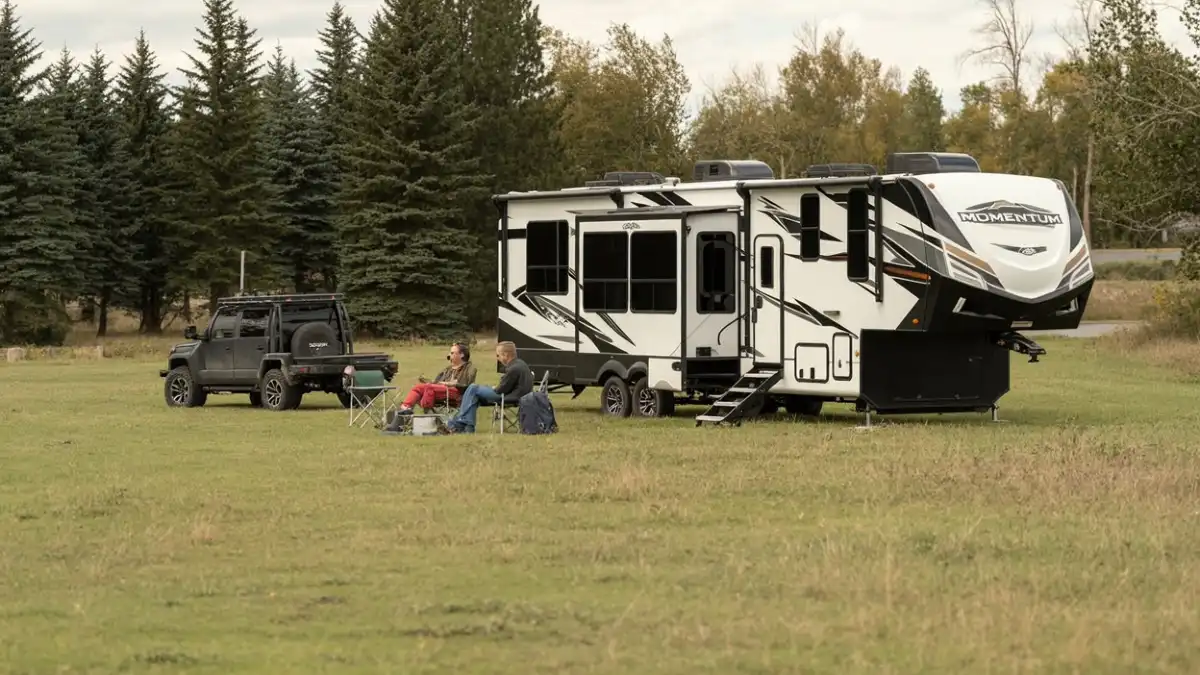
Grand Design RV, once celebrated for its “customer-first” ethos, has become the epicenter of the structural reliability crisis following its integration into Winnebago Industries. The brand’s trajectory illustrates the peril of scaling luxury production without scaling engineering oversight.
The Structural Indictment: The most pressing reason to avoid Grand Design is the active class-action litigation targeting its core products: the Solitude, Momentum, and Reflection lines. The lawsuit, filed by Weitz & Luxenberg, alleges a systemic defect in the frame design of units manufactured from 2020 through the present.
The specific allegation is that the frames are insufficient to support the static and dynamic loads of the RV, leading to catastrophic “frame flex.” Owners have reported pin boxes detaching, sidewalls delaminating, and slide-outs jamming permanently due to frame torque.
The “Full-Time” Contradiction: Grand Design aggressively markets its Solitude and Momentum lines as suitable for “full-time living,” utilizing imagery of permanent residency. However, the engineering reality contradicts this marketing.
The stress of constant occupancy—daily slide-out actuation, continuous appliance weight, and high mileage—accelerates the fatigue of the lightweight chassis. The litigation claims that Grand Design engaged in deceptive marketing by selling units they knew could not withstand the usage patterns they advertised.
For a buyer , this represents a fundamental breach of trust: the product is sold for a purpose it structurally cannot sustain.
Warranty Obfuscation: Reports indicate that Grand Design has utilized NDAs to manage this crisis, repairing units for vocal owners only in exchange for silence. This practice distorts the public perception of reliability, as the true volume of failures is suppressed. Furthermore, the backlog for frame repairs—which require the removal of the front cap and welding of additional steel gussets—can leave owners homeless for months.
2. Keystone RV (Thor Industries)
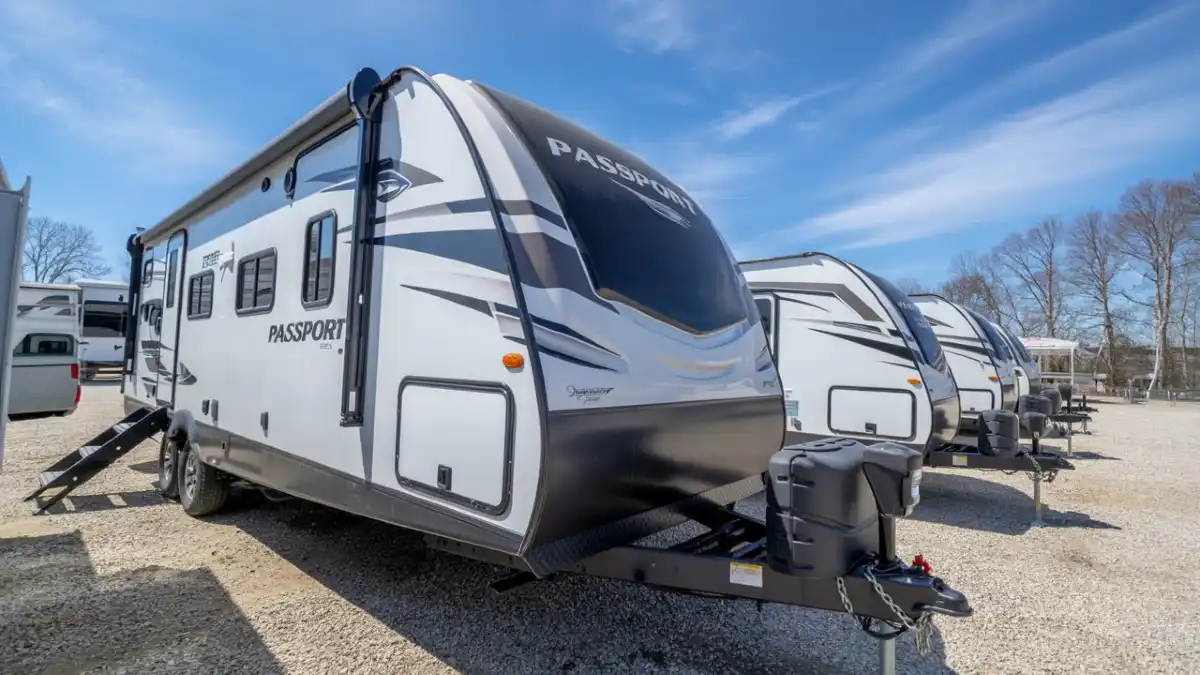
Keystone RV, a massive subsidiary of Thor Industries, faces similar structural challenges to Grand Design but compounds them with one of the industry’s most restrictive warranty environments.
The Montana “Flex” Epidemic: The Keystone Montana is the best-selling luxury fifth wheel in history, but its recent iterations (particularly the “High Country” and standard Montana) are plagued by the same upper-deck frame failures seen in Grand Design units.
The “High Country” line, specifically designed to be lighter, utilizes a frame with less material density. When paired with heavy residential refrigerators and washer/dryer units, the frame lacks the torsional rigidity to prevent flex. Owners have documented the tell-tale “smile” cracks under the bedroom slide and the separation of the front cap sealant.
The “3-Year” Warranty Illusion: Keystone promotes a “3-Year Limited Structural Warranty,” but a forensic reading warranty guide reveals significant exclusions. The definition of “structural” is narrowly tailored to include only the main steel frame and skeletal framing.
It frequently excludes the components most damaged by structural movement, such as the floor decking, the slide-out mechanisms, and the interior cabinetry.
Furthermore, the warranty explicitly voids coverage for damage caused by “improper loading,” a catch-all term often used to deny claims when the frame fails under normal use. The intersection of frame fragility and warranty rigidness makes Keystone a financial gamble.
3. Thor Motor Coach (TMC)
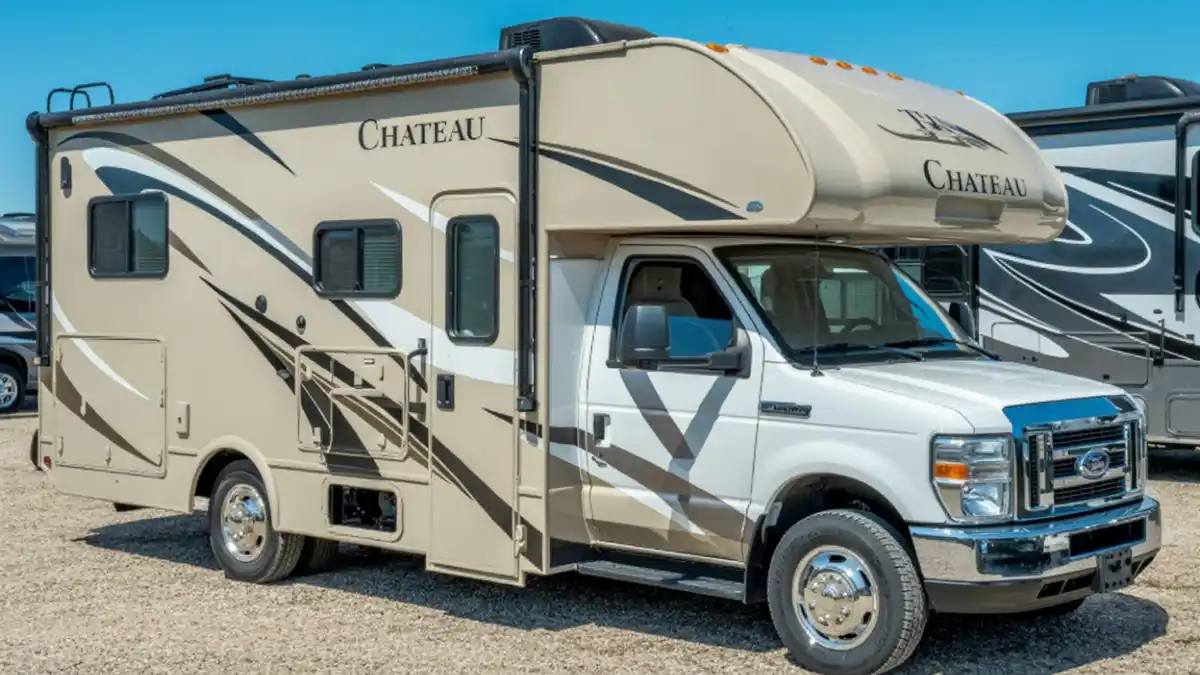
In the motorized sector, Thor Motor Coach stands out not merely for quality control issues, but for its hostile legal posture toward its own customers.
The Statute of Limitations Clause: The primary reason to avoid TMC is the aggressive legal language introduced in their warranty guides. By limiting the window for filing suit to 90 days (or fewer) post-warranty, TMC effectively immunizes itself against “shakedown” failures that occur just outside the 12-month ownership mark.
Complex motorhomes often have intermittent electrical or chassis issues that take months to diagnose. If a dealer delays repairs until the warranty clock runs out, the consumer is left without legal recourse. This clause is a clear signal that the company prioritizes liability containment over product durability.
The “Beta Tester” Experience: TMC products, ranging from the entry-level Hurricane to the diesel Palazzo, are frequently cited for poor assembly quality. The reliance on third-party components (Schwintek slides, Lippert leveling systems) without adequate integration testing leads to units that are effectively prototypes sold to the public.
Common complaints include “vampire” battery drains that dealers cannot trace, slide-out motors that desynchronize after a few uses, and cabinetry screwed into thin luan backing that pulls away under vibration. The “Sanctuary” Class B van has seen specific complaints regarding loose wiring harnesses and mismatched joinery, creating fire hazards.
4. Heartland RV (Thor Industries)
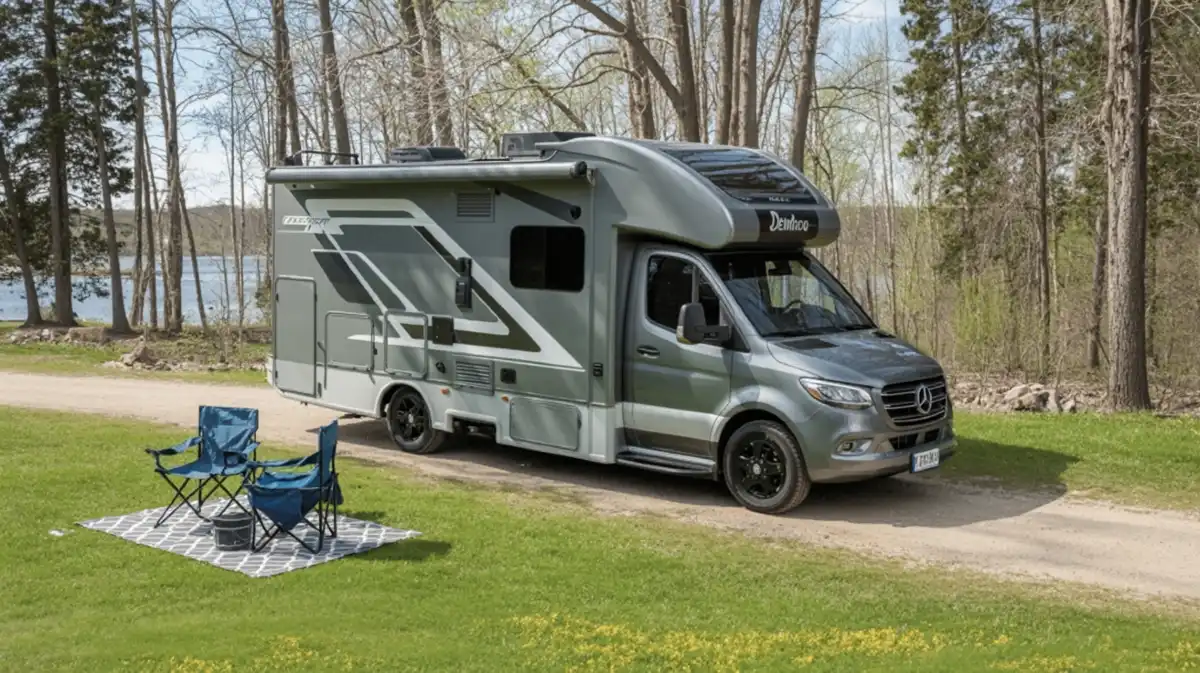
Heartland, particularly its “Cyclone” toy hauler division, represents the dangers of high-volume manufacturing applied to heavy-duty applications.
The Toy Hauler Stress Test: Toy haulers are subjected to unique physics: they carry thousands of pounds of cargo (ATVs, motorcycles) in the rear garage, which lightens the pin weight on the hitch. This “teeter-totter” effect places immense strain on the frame’s midpoint.
Heartland frames have historically struggled to cope with this dynamic stress. Data indicates that warranty repairs on Cyclone models average nearly $4,000 per unit, with catastrophic structural failures exceeding $25,000.
The restructuring of Heartland under Jayco’s management was intended to curb costs, but analysts suggest it has further diluted the brand’s engineering independence.
Warranty Labor Rate Caps: Heartland is notorious among service centers for its refusal to pay standard labor rates for warranty work.
By capping authorized labor hours at unrealistic levels (e.g., authorizing 8 hours for a slide-out floor replacement that requires 22 hours), Heartland forces dealers to either cut corners on the repair or charge the customer the difference. This policy leads to “band-aid” fixes that do not resolve the underlying structural issues, causing the problem to recur once the warranty has expired.
5. Forest River (Entry-Level: Cherokee, Grey Wolf, Salem)
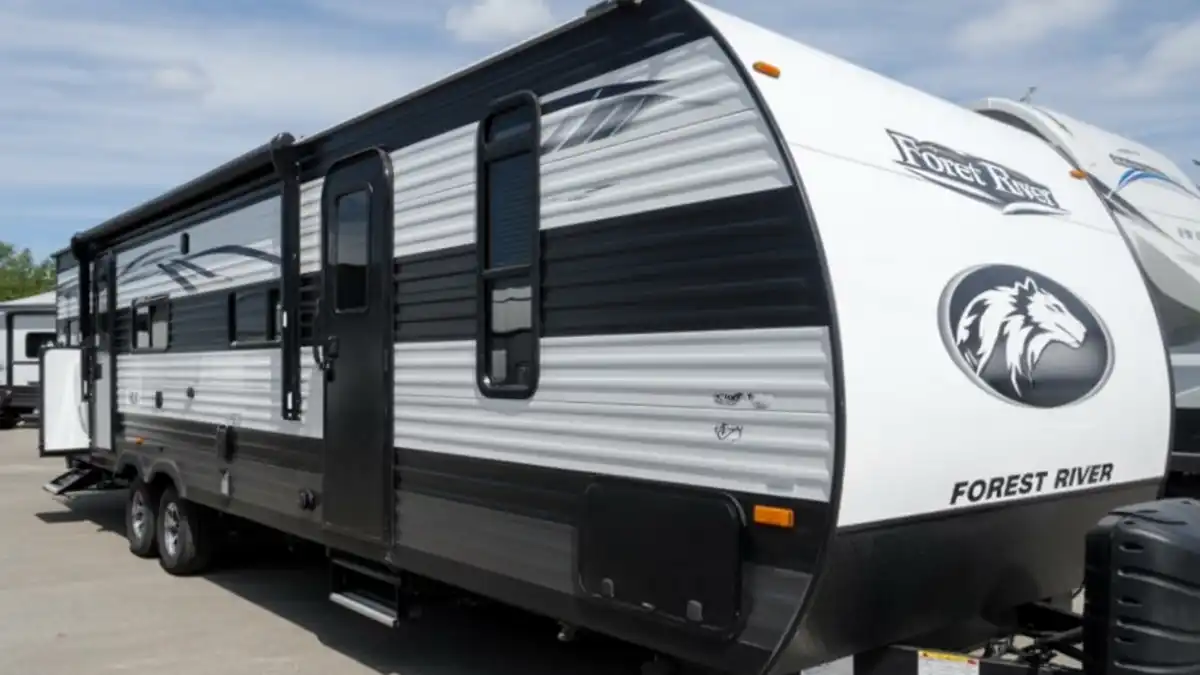
Forest River operates as a decentralized conglomerate, meaning quality varies wildly between divisions. The entry-level brands—Cherokee, Grey Wolf, and Salem—are built for price, not longevity, they are suffering from severe quality control lapses.
The Assembly Line Sprint: These units are the highest-volume towables in the industry, and the speed of their production is their undoing. Complaints frequently cite plumbing fittings that were never tightened, resulting in flooded interiors on the first trip. Electrical shorts caused by staples driven through wire harnesses are common.
The “stick and tin” construction (wood frame with aluminum siding) is prone to rot if the manual caulking process is rushed, which it invariably is. Owners report sinking floors due to water intrusion that went undetected until the wood decking dissolved.
Recall Volume: Forest River’s recall log is extensive, covering safety-critical failures such as detachable entry steps and faulty breakaway switches.
The recall regarding Nightfall and XLR Toy Haulers due to faulty breakaway switches is particularly alarming; this device is the last line of defense to stop a runaway trailer on the highway. A failure in this component indicates a breakdown in the safety supply chain validation process.
6. Jayco (Thor Industries)
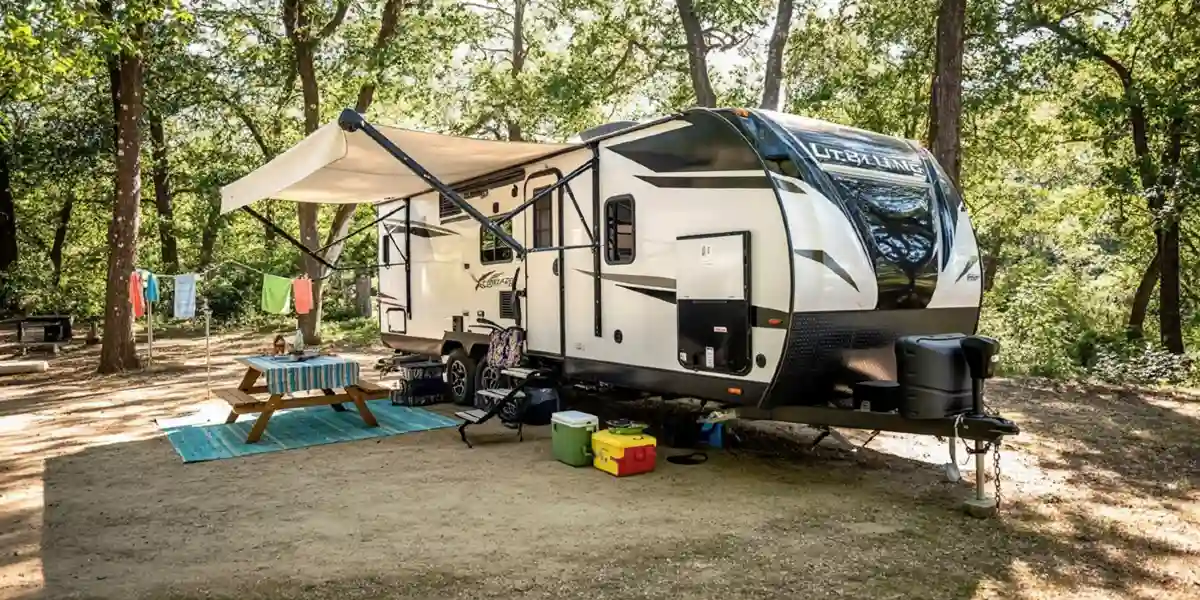
Jayco’s marketing relies heavily on its “Amish Craftsmanship” heritage, but the reality of its post-Thor acquisition status is a standardized, assembly-line product that struggles to distinguish itself from its corporate siblings.
The “Soft Roof” Phenomenon: A specific and troubling failure mode in recent Jayco travel trailers (Jay Flight, Eagle) involves the roof installation. Owners have reported soft spots developing around air conditioning units on relatively new trailers.
Forensic teardowns have revealed that factory workers left foam blocks or debris under the A/C gaskets, preventing a watertight seal. This allows water to slowly seep into the OSB roof decking, rotting it from the inside out.
Because the TPO membrane remains intact, visual inspections fail to catch the leak until the roof structure is compromised. Jayco has reportedly denied warranty claims for this, citing “seal maintenance” clauses, despite the root cause being a factory installation error.
Integration Friction: The integration of Heartland into the Jayco operational sphere has stretched management resources. While intended to streamline operations, it appears to have distracted from quality assurance on the core Jayco lines.
Complaints regarding the “Schwintek” slide systems on the Eagle line suggest that Jayco is using these sensitive mechanisms on slide-outs that are too heavy for the motors, leading to burnouts and jammed rooms.
7. Coleman (Camping World Exclusive)
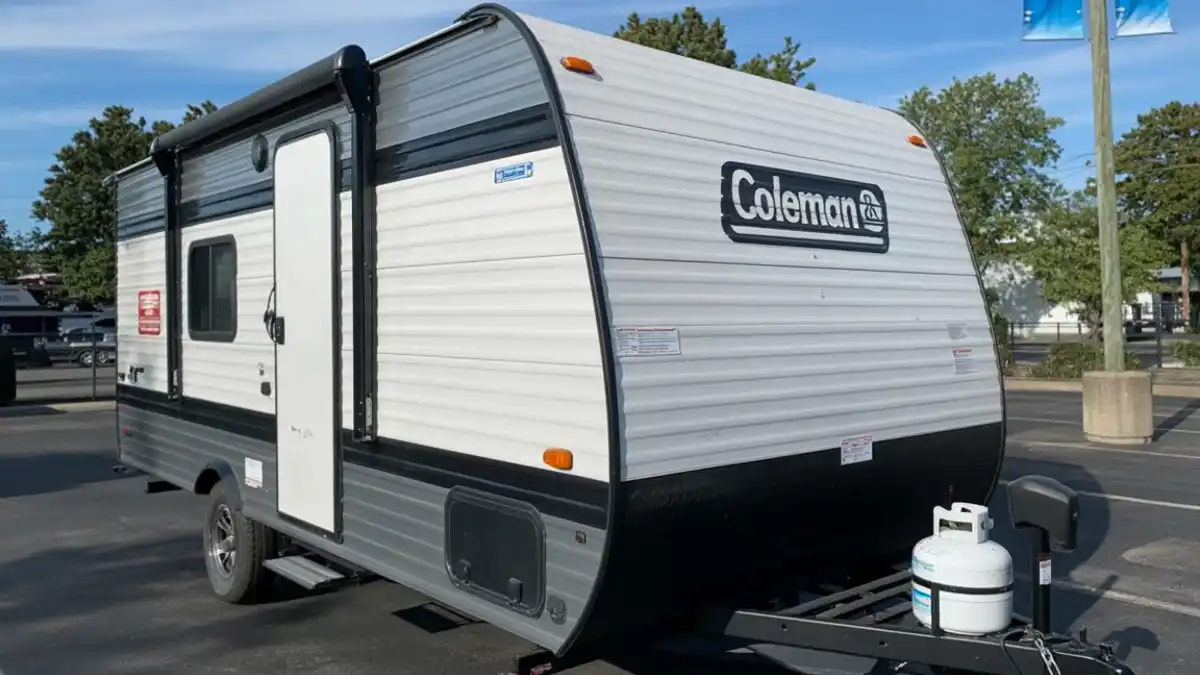
The Coleman RV brand is a licensed nameplate manufactured primarily by Keystone (Thor) exclusively for Camping World. It is designed to be the lowest-priced entry point into the market, a “loss leader” to capture customers.
Disposable Construction: To achieve the rock-bottom MSRPs advertised by Camping World, Coleman units utilize the lowest grade of materials available. Cabinetry is often stapled particle board with a vinyl wrap that peels in humidity.
The siding is thin-gauge aluminum that dents easily. The axles are rated with almost zero margin for cargo. These are effectively “disposable” RVs. The depreciation curve is precipitous; a Coleman trailer loses a massive percentage of its value the moment it leaves the lot because the used market is flooded with them.
The Service Queue Nightmare: Buying a Coleman ties the consumer to the Camping World service network. Complaint volumes for Camping World regarding service delays are among the highest in the industry. Owners report waiting months for simple warranty approvals, during which time the unit sits outdoors, deteriorating.
The “free” inspection offers and club memberships bundled with the purchase are often marketing funnels rather than genuine value-adds. The Camping World/Coleman ecosystem represents the single highest frustration risk for new RVers.
8. Winnebago Towables (Minnie / Micro Minnie)
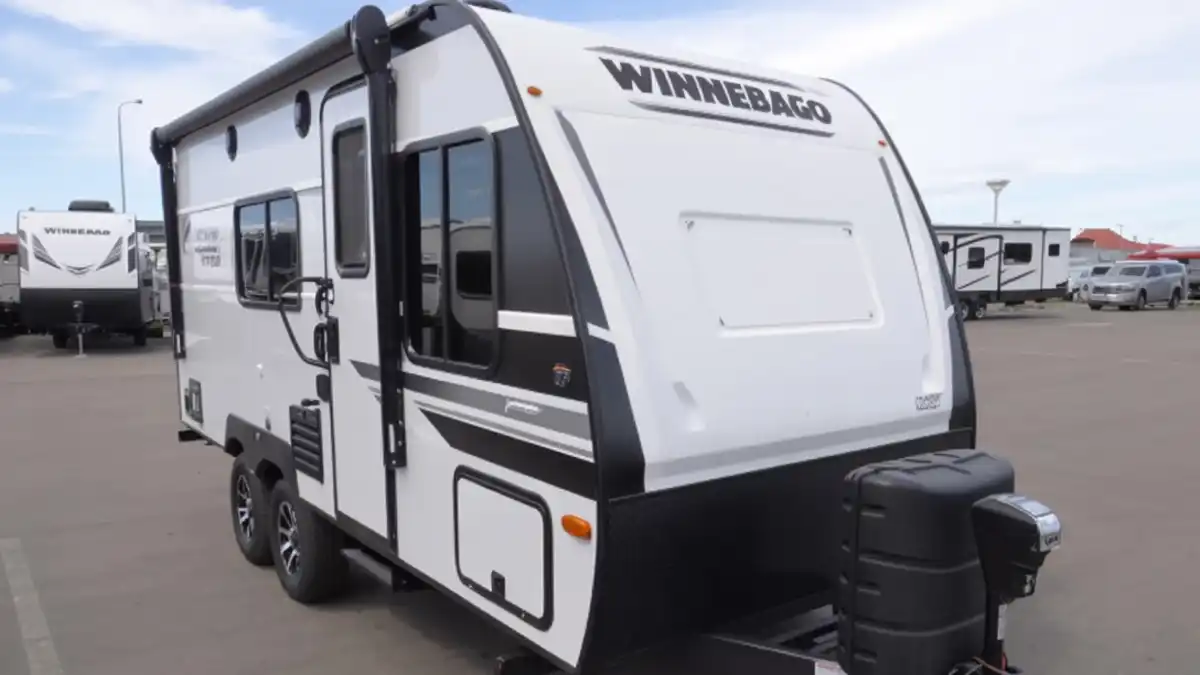
While Winnebago’s motorized division retains some prestige, its towable division has failed to justify its premium pricing.
Sidewall Delamination: The Winnebago Minnie and Micro Minnie lines utilize a bonded fiberglass sidewall. However, process control issues with the lamination plant have led to widespread reports of delamination (bubbles forming under the fiberglass) on units only a few years old.
Winnebago’s warranty response to this has been rigid, often denying coverage if the owner cannot prove they inspected every seal every 90 days. This shifts the burden of a manufacturing bond failure onto the consumer’s maintenance schedule.
The Revel “Limp Mode”: Though a motorized unit, the Winnebago Revel 4×4 van is a flagship product that impacts the brand’s overall reputation. Models have been plagued by Mercedes-Benz chassis integration issues, specifically “limp mode” activation due to sensor faults and EGR valve issues.
While this is partly a Mercedes issue, Winnebago’s inability to shield its customers from these failures—leaving them stranded between the RV dealer and the Mercedes dealer—highlight a breakdown in the premium ownership experience.
9. Dutchmen (Thor Industries)
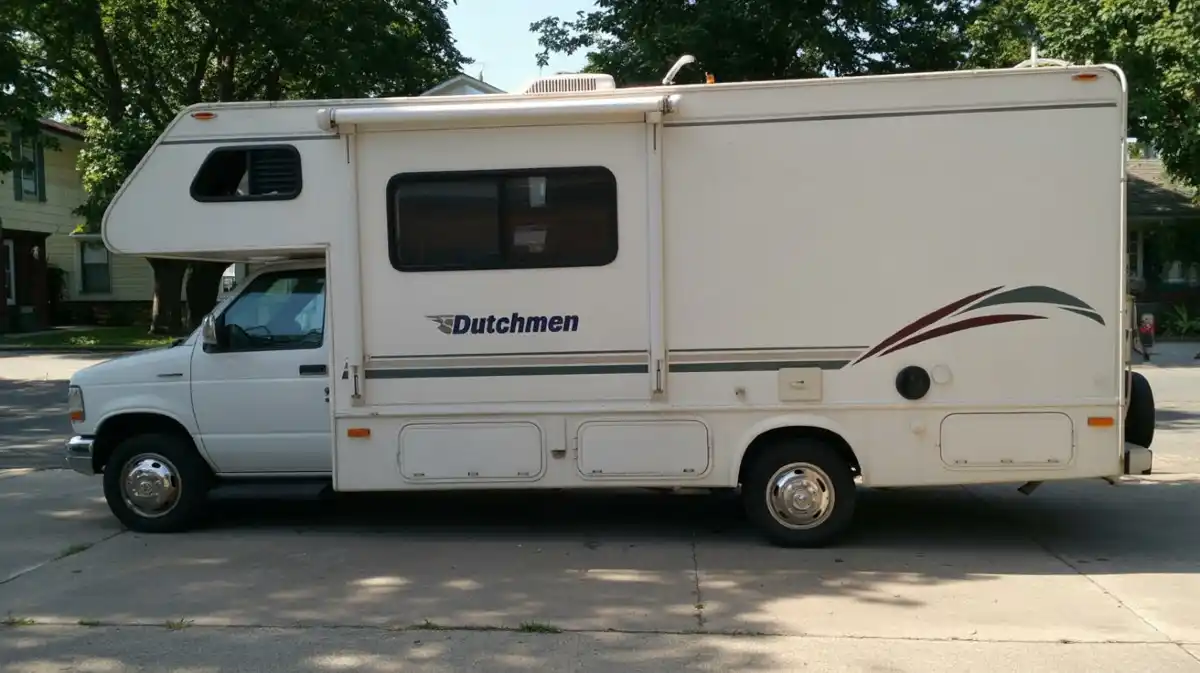
Dutchmen, a Thor subsidiary, focuses on the mid-tier market. Its Voltage toy hauler line is the primary source of concern buyers.
The Hydraulic Nightmare: The Voltage series utilizes a complex hydraulic system for its landing gear and heavy main slides. Owners consistently report hydraulic line blowouts. The root cause is often traced to poor routing of the high-pressure lines during assembly, causing them to chafe against the steel frame or sharp fiberglass edges.
A blown hydraulic line renders the RV immobile—the jacks won’t retract, and the slides won’t close. Repairing this requires dropping the underbelly coroplast, a messy and expensive labor task that dealers dread.
General Fit and Finish: Beyond the hydraulics, Dutchmen units suffer from the general malaise of Thor’s volume production.
Trim molding falling off during transit, cabinet doors unlatching and smashing contents, and leaking ramp doors are standard complaints. The “Happy Jac” bed systems in the garage are also prone to jamming if not perfectly leveled.
10. CrossRoads RV (Thor Industries)
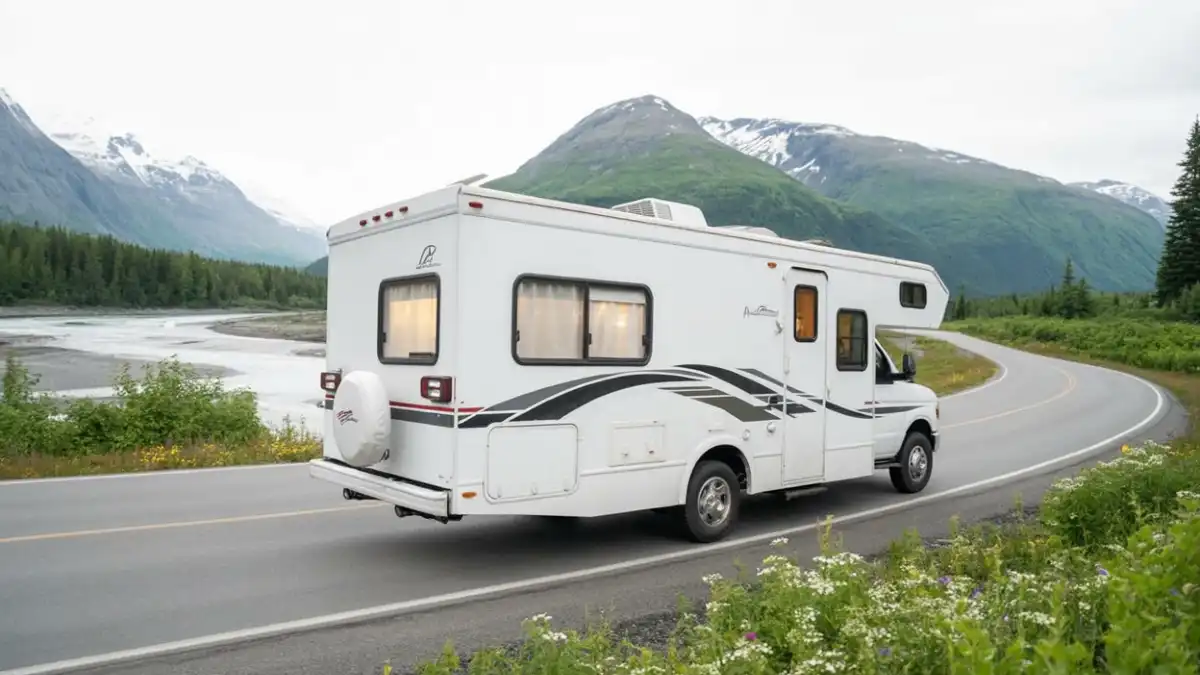
CrossRoads, another Thor brand, has a specific and recurring vulnerability in its slide-out architecture.
Cable Slide Fragility: The Sunset Trail and Volante lines frequently utilize cable-driven slide systems (typically BAL Accu-Slide) to save weight and cost. While conceptually sound, the installation tolerance for these systems is nearly zero. If the cables are not tensioned perfectly at the factory, the slide room will extend unevenly.
This “racking” motion causes the room to bind, stripping the gearbox or snapping the cables. Furthermore, a misaligned slide does not seal against the wall, creating a pathway for water intrusion during rainstorms. Owners report arriving at campsites only to find their slide won’t extend, or worse, won’t retract when it’s time to leave.
Motor Burnout: On larger slides, CrossRoads sometimes utilizes the Schwintek in-wall system. This system relies on two small electric motors. If the slide box is heavy (e.g., carrying a kitchen or dinette), the motors are often underpowered for the load. This leads to premature motor burnout and the dreaded “Schwintek whine” of a stripping gear track.
11. Cruiser RV (Thor Industries)
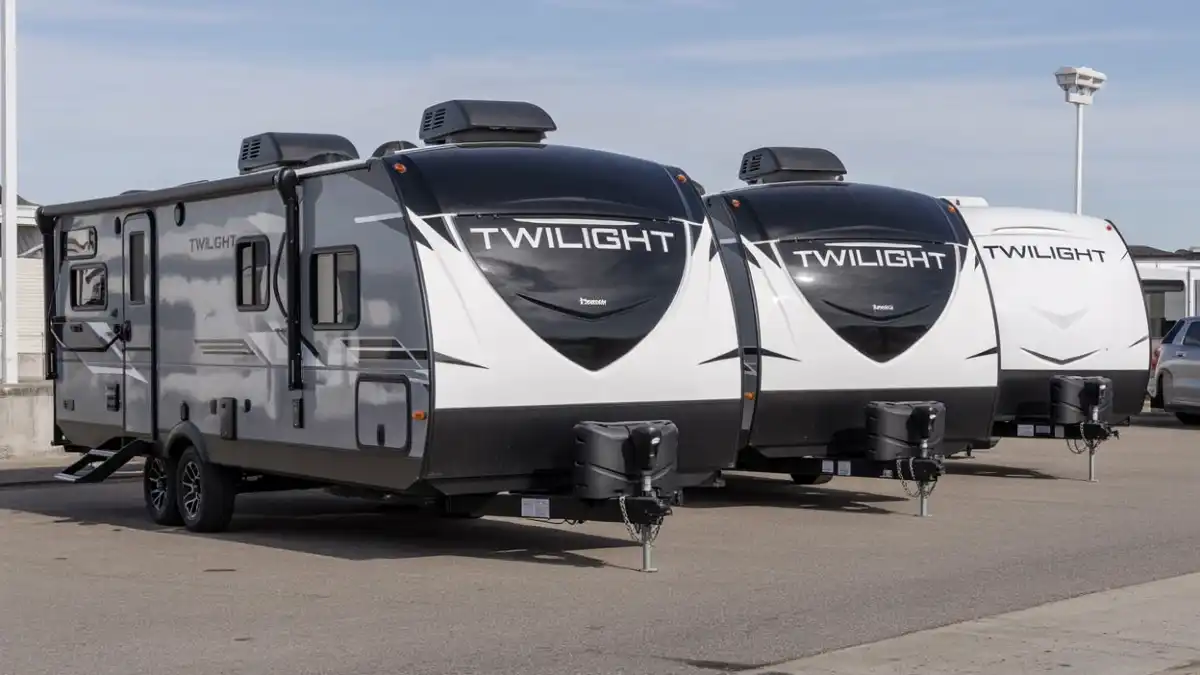
Cruiser RV markets its MPG and Radiance lines as “Ultra-Lite” trailers towable by smaller vehicles. However, this weight savings comes at a severe durability cost.
The GVWR Safety Margin: To achieve low advertised weights, Cruiser RV often specs axles that are barely adequate for the dry weight of the trailer, leaving very little capacity for cargo (water, gear, food). Consequently, these units often operate at or near their maximum Gross Vehicle Weight Rating (GVWR) 100% of the time. This chronic overloading leads to bent axles, premature tire blowouts, and suspension fatigue. Owners often find their tires wearing unevenly within the first year, a sign that the axle has lost its camber due to weight stress.
Roof Adhesion Failure: There have been documented instances of the roof membrane on Cruiser RVs peeling back while driving at highway speeds. This catastrophic failure suggests improper adhesive application at the factory. The resulting water damage effectively totals the trailer.
12. Gulf Stream Coach
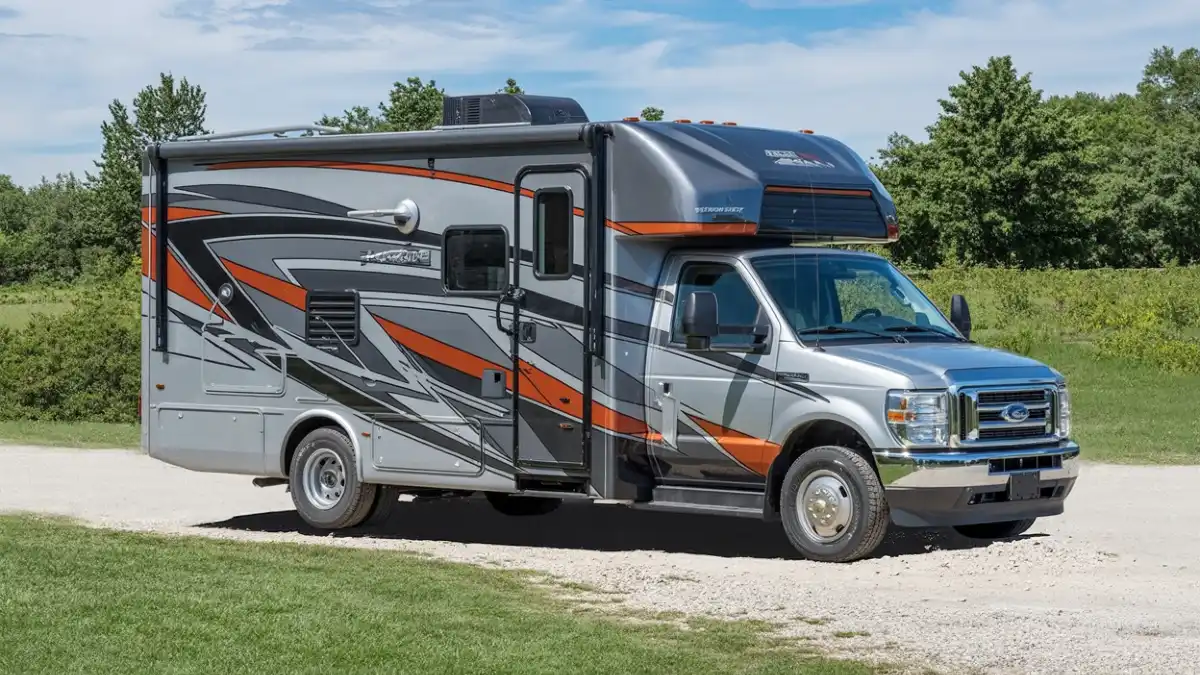
Gulf Stream remains one of the few independent manufacturers, Landscape, this independence is a liability rather than an asset.
Lack of Dealer Support: Unlike Thor or Forest River, which have massive leverage over dealers, Gulf Stream lacks the muscle to ensure its customers are prioritized. Owners frequently report being “ghosted” by the factory when seeking warranty authorizations. Dealers, frustrated by slow payments from Gulf Stream, often refuse to service units they did not sell, leaving traveling owners stranded without support.
Construction Quality: Reviews for Gulf Stream products are consistently among the lowest in the industry. Complaints of “sawdust everywhere” in the ducts, misaligned windows that don’t latch, and tank sensors that never read correctly indicate a complete lack of final Pre-Delivery Inspection (PDI) at the plant. The Ameri-Lite line, in particular, is built with extremely lightweight materials that feel flimsy and degrade quickly under normal use.
13. Prime Time Manufacturing (Forest River)
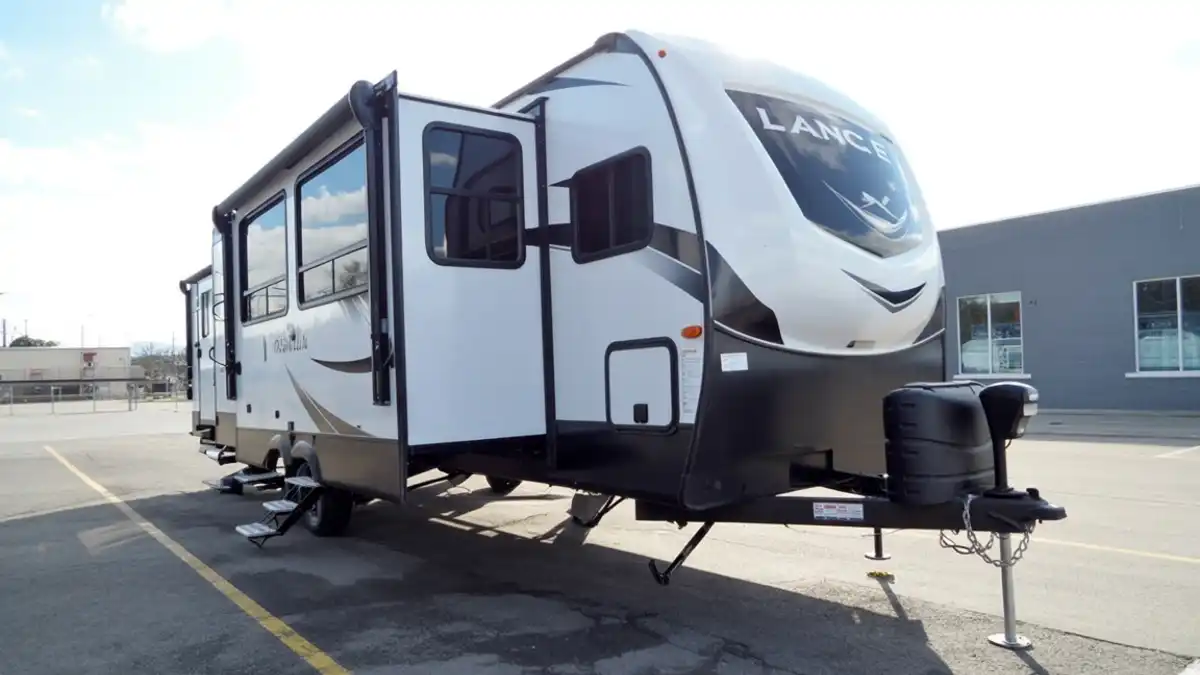
Prime Time, a division of Forest River, has been flagged for recalls that involve immediate safety hazards.
Braking System Failure: The recall Nightfall and XLR models due to faulty breakaway switches is a critical red flag. The breakaway switch is a federally mandated safety device that engages the trailer’s electric brakes if it becomes unhitched from the tow vehicle.
A manufacturing defect in this component puts not only the RV owner but the general public at risk. This points to a lapse in sourcing validation for safety-critical components.
General Reliability: Beyond the safety recalls, Prime Time units suffer from the standard Forest River plague of plumbing leaks and slide-out seal failures. The complexity of the XLR toy haulers creates more failure points than the quality control process seems capable of catching.
14. Fleetwood RV (REV Group)
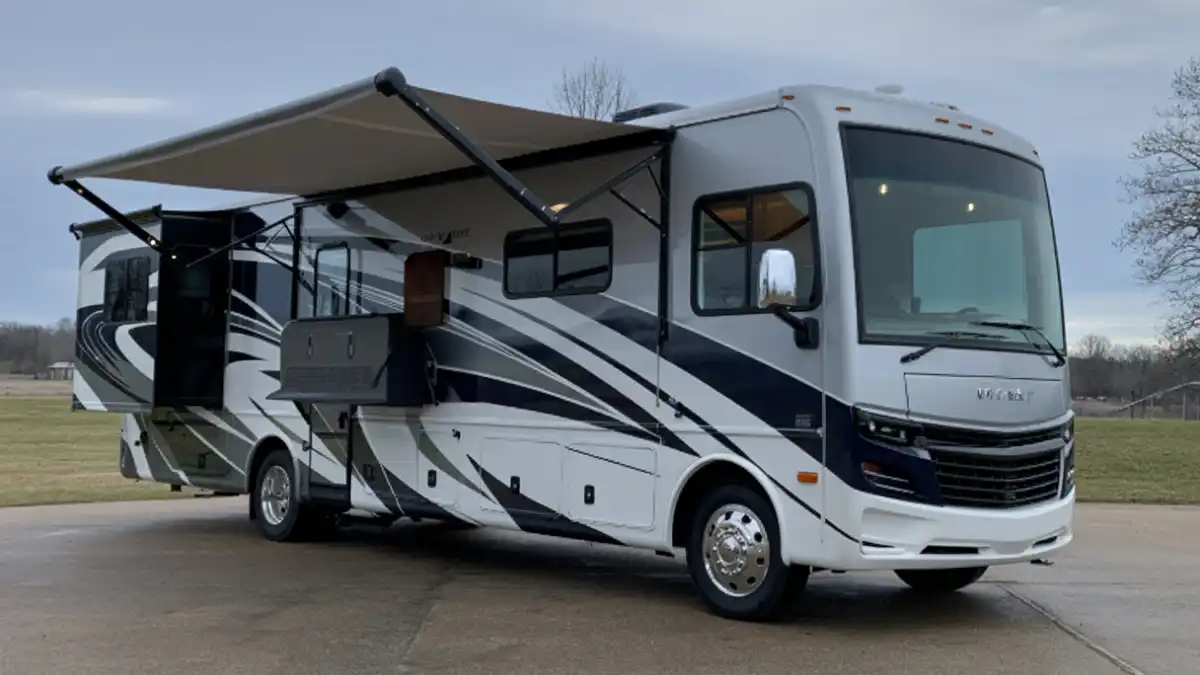
Fleetwood, part of the REV Group, manufactures legacy Class A motorhomes like the Bounder and Discovery. The risk here is less about “cheapness” and more about the unmanageable complexity of modern motorhomes.
The “Shakedown” Year: Buying a new Fleetwood Class A widely described by owners as buying a “kit” that requires a year of finishing work. The integration of the Ford F-53 chassis (for gas) or Freightliner chassis (for diesel) with the house systems is fraught with gremlins.
Common issues include leveling jacks that trigger false alarms, “VacuFlush” toilet systems that clog or lose vacuum, and slide-out controllers that fail. While REV Group has better parts availability than some, the sheer number of proprietary systems makes troubleshooting a nightmare.
Dealer Competence: Servicing a Class A requires a specialized facility. Many RV dealers lack the heavy-duty lifts and chassis technicians to work on Fleetwood products properly, leading to long wait times at the few centers that can.
15. Lance Camper (Independent)
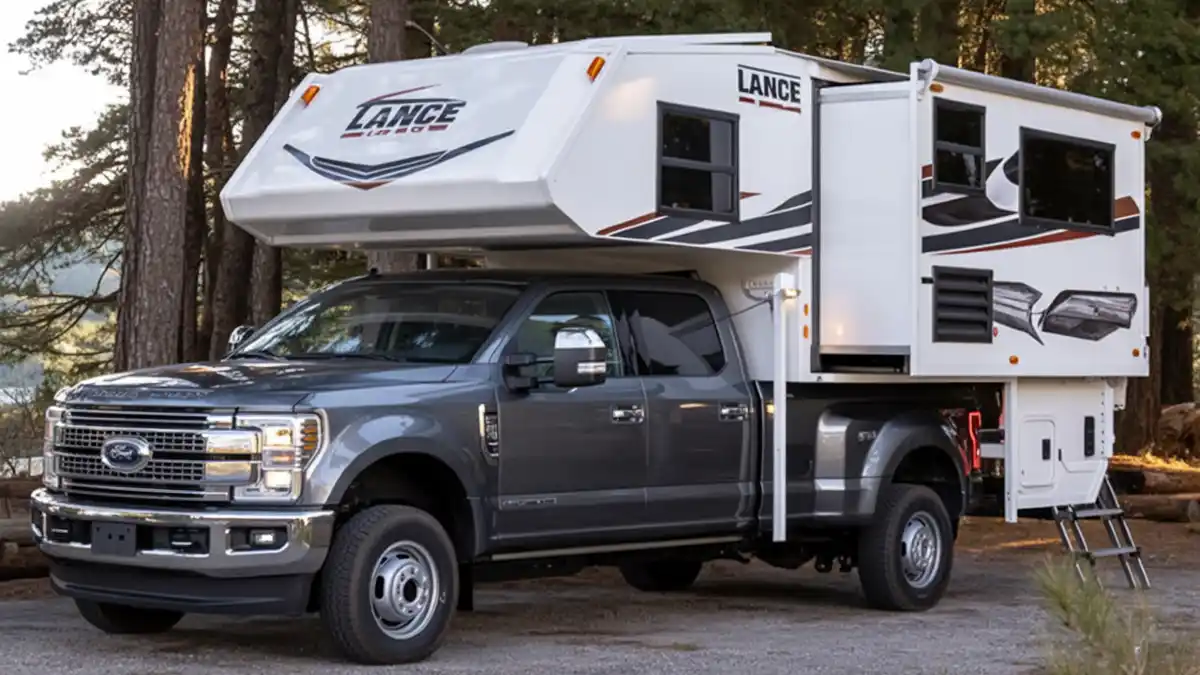
Lance has historically been a blue-chip brand, known for high-quality truck campers and travel trailers. However, sees Lance struggling to maintain this reputation amidst rising costs.
The Premium Price Gap: Lance trailers command a significant price premium over competitors. However, recent owner reports suggest that the build quality no longer justifies this spread. Issues such as bathroom doors falling off tracks, front fiberglass caps fading and cracking in the sun, and slide-out misalignments have become more common.
When a customer pays a premium price, their tolerance for “entry-level” failures is low. The perception is that Lance is cutting costs on interior components (latches, hinges, trim) while maintaining high MSRPs.
Material Limitations: Lance uses extensive PVC and Azdel composites, which are excellent for preventing rot. However, the integration of these materials into larger floorplans has revealed stress points. Some owners report that the lightweight cabinetry fasteners strip out of the composite walls under vibration, requiring complex repairs.